TV Audio Systems
Elevate your entertainment experience with TV audio systems designed to bring depth and clarity to every scene. Whether you're watching movies, streaming shows, or catching up on the latest sports, the right audio setup can transform your living room into a personal theater. Explore a variety of TV audio systems that seamlessly integrate with your home setup and deliver immersive sound for all your favorite content.
This product is not available
Check out the following recommendations.
TV Audio Systems
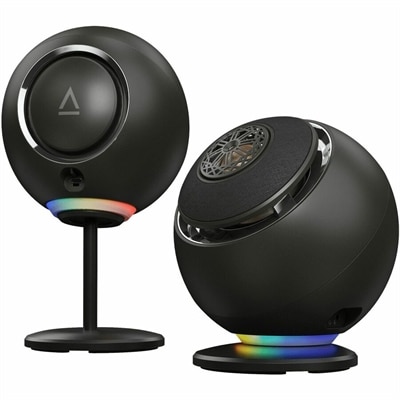
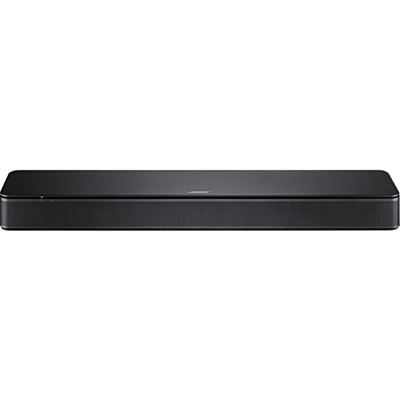
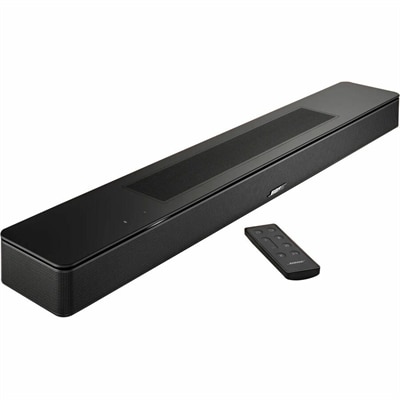
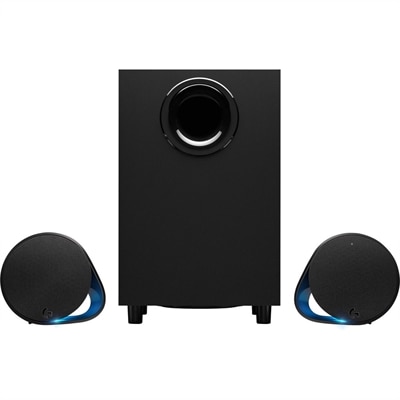
TV audio systems bring voices, music, and sound effects into sharper focus, giving everyday viewing a fuller sense of place. A quiet conversation can feel more immediate, a stadium crowd can stretch beyond the edges of the screen, and a movie soundtrack can carry more weight without relying on the small speakers built into a television. Common configurations include soundbars, powered stereo speakers, and component systems with a receiver and separate speakers. A soundbar combines several speaker drivers in a slim enclosure that sits beneath the screen or mounts on the wall, making it a practical fit for living rooms where furniture space is limited. Adding a subwoofer extends low-frequency output for the rumble of an engine or the deeper notes in a musical score, while compatible rear speakers can create more distinct sound from beside or behind the seating area. Powered stereo speakers have built-in amplification and can suit viewers who want a clear left-and-right presentation for both television and music, provided their connections work with the TV. Component systems use a receiver to power and coordinate individual speakers, allowing more flexibility in speaker placement and future changes to the setup. Channel descriptions help explain these arrangements: a 2.1 system typically has left and right channels plus a subwoofer, while a 5.1 system adds a center channel and two surround channels. A third number, as in 5.1.2, indicates height channels for compatible immersive audio. These numbers describe the channel layout, not a guarantee of sound quality; speaker design, room acoustics, and placement still matter. For households that watch dialogue-heavy dramas, news, or documentaries, a dedicated center channel or a well-implemented voice enhancement feature may be especially useful. For movies and games, surround effects can make movement across the screen feel more convincing. A compact arrangement can be satisfying in a bedroom, while a larger shared entertainment space may benefit from broader coverage and greater output.
The physical fit of a TV audio system matters as much as its appearance. A soundbar needs enough clearance beneath the screen to avoid covering the picture or blocking the television’s remote-control sensor, and its depth should work with the furniture rather than leaving the enclosure hanging over an edge. Wall-mounted arrangements require compatible mounting hardware and a surface capable of supporting the equipment securely. Bookshelf speakers need stable support, while floor-standing speakers take up more room and should sit where everyday foot traffic will not put them at risk. Speaker cabinets may use wood-based composites, molded plastics, or metal, with fabric or perforated metal grilles protecting the drivers. A rigid, well-constructed enclosure helps limit unwanted vibration, although no single cabinet material determines overall performance. The room also shapes what reaches the listener. Bare floors, large windows, and other hard surfaces can make sound seem sharper or more echoing, while rugs, curtains, and upholstered furniture can soften reflections. A subwoofer tucked tightly into a corner may produce stronger bass but can also emphasize certain notes unevenly. In an apartment or a room beside a sleeping child’s bedroom, adjustable bass and night listening modes can be more useful than maximum volume. Night modes generally reduce the difference between quiet passages and sudden loud effects, though the exact behavior varies by system. Height effects from upward-firing speakers depend partly on the ceiling and work differently under a flat ceiling than beneath a high, sloped, or heavily textured one. Soundbars with upward-firing or side-firing drivers also need unobstructed space around those surfaces; a closed cabinet can interfere with the intended effect. Coordinating the audio setup with TV Accessories can help keep screen placement, equipment support, and cable routing aligned. The result should feel comfortable in the room: voices centered near the picture, cables away from walkways, and speakers positioned without crowding the places where people sit, relax, and move.
Connections and everyday controls determine how naturally a TV audio system becomes part of a household’s routine. HDMI ARC can send audio from a compatible television to an audio system through a single HDMI connection, while eARC supports higher-bandwidth audio formats when the television, audio equipment, and content are compatible. An optical connection is another common option, although its format support is more limited. Powered speakers do not all offer the same inputs, so direct TV connection depends on the ports and audio output supported by both devices. Compatible HDMI control features may allow the TV remote to adjust audio volume and power, reducing the need to switch between remotes. Wireless music playback can add another use beyond television, turning the same setup into a source of background music during dinner or a more focused listening space on a quiet evening. A wireless subwoofer usually receives its audio signal without a cable running back to the main unit, but it still needs power; wireless rear speakers may also require nearby outlets or connections to a separate powered module. That distinction matters when the sofa sits in the middle of a room rather than against a wall. Long-term convenience also depends on ventilation, secure connections, and simple care. Receiver vents should remain clear, cables should not be pinched behind furniture, and liquids should stay away from speaker cabinets and electronics. A soft, dry cloth is generally suitable for exterior dusting, with cleaning methods for fabric grilles and other finishes guided by the manufacturer’s instructions. Pressing on exposed speaker cones or spraying cleaner directly onto equipment can cause damage. For frequent movie watchers, sports fans, gamers, and people who enjoy concert recordings, the most useful configuration is one that matches both the room and the listening habits. TV audio equipment can also be a thoughtful housewarming or birthday gift when the recipient’s television connections, available space, and preferences are known. Clear dialogue, balanced sound at comfortable volume, and controls that everyone can use often make a more lasting difference than an elaborate setup that rarely gets used.
FAQs:
The main types of TV audio systems include soundbars, home theater systems, and speaker packages. Soundbars offer a compact solution with improved sound quality, while home theater systems provide immersive surround sound using multiple speakers and a subwoofer.
Most TV audio systems can be connected to your television using HDMI ARC, optical cables, Bluetooth, or auxiliary inputs. The best connection method depends on your TV's available ports and the features of your audio system.
Key features to consider include surround sound capability, wireless connectivity (such as Bluetooth or Wi-Fi), compatibility with voice assistants, multiple input options, and support for advanced audio formats like Dolby Atmos or DTS:X.
Yes, most modern TV audio systems are versatile and can be used for both TV audio enhancement and music playback. Many models support streaming services or have Bluetooth connectivity for playing music from smartphones and other devices.
Some TV audio systems are plug-and-play and require minimal setup, while others may need additional cables or components such as an AV receiver. Always check the included accessories and your TV's compatibility before setting up.