Video Editing Software With Slow Motion
Elevate your creative projects with video editing software with slow motion, designed to help you achieve stunning visual effects and precise control over your footage. Whether you’re a professional filmmaker or an enthusiastic content creator, these tools make it easy to highlight key moments and add cinematic flair to your videos. Explore a wide selection of user-friendly options that empower you to transform ordinary clips into captivating stories, all while enjoying seamless editing experiences on your device.
This product is not available
Check out the following recommendations.

Video Editing Software With Slow Motion
Video editing software with slow motion gives creators a practical way to reshape the pace, mood and detail of recorded footage. A fast movement that lasts only a moment can become a graceful sequence when played back at a reduced speed, revealing the turn of a skateboard, the splash of water, the swing of a dance move or the texture of wind moving through tall grass. These tools typically include basic speed controls, time remapping and keyframes, allowing a clip to play at one speed before easing into a slower section and returning to normal motion. More advanced software may use optical flow, a frame-generation method that analyzes the movement between existing frames and creates additional in-between frames for a smoother result. This is especially useful when a clip needs to be slowed beyond what simple frame repetition can support. Without optical flow or a comparable retiming feature, slow motion may appear stuttered because the software is displaying the same frames for longer. The quality of the original recording remains important, too. Footage captured at 60 frames per second, 120 frames per second or higher contains more visual information for creating fluid slow motion than footage recorded at a standard 24 or 30 frames per second. A higher frame rate can make a noticeable difference when preserving the clean, natural movement of athletes, pets, performers, vehicles and outdoor scenes. When comparing video editing software with slow motion, look for clear controls for playback speed, time remapping, speed curves and optical flow, along with support for the video formats used by your camera or phone. Some applications are designed for a full computer workspace, while others run in a web browser or offer a streamlined interface for quick edits. Browser-based tools can be convenient for short clips and simple projects, while installed software may provide more precise control over layered timelines, color adjustments, sound, transitions and exported video quality.
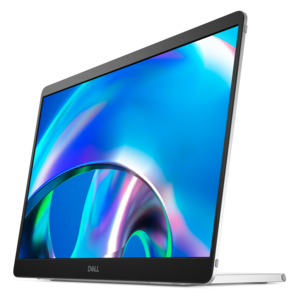
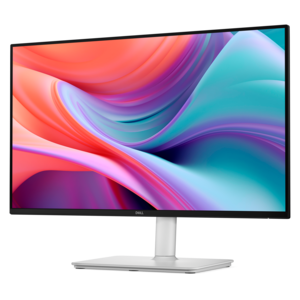
The computer used for editing also influences how comfortably slow-motion projects come together. A laptop can be a flexible choice for students, travelers, freelance creators and anyone who edits in different rooms or locations. A desktop may suit users who prefer a larger workspace, a full-size keyboard and a dedicated setup for longer projects. For a closer look at computing options that can support creative workflows, browse Video Editing Software For Laptops. Whichever setup you choose, pay attention to the software’s recommended processor, memory and graphics requirements rather than relying only on its minimum specifications. Slow-motion processing, especially with optical flow, high-resolution footage or several video layers, can demand substantial computing power. A bright, accurately sized monitor can make it easier to inspect fine movement, spot unwanted blur and judge whether a transition feels natural. A comfortable keyboard and responsive mouse can also help when trimming clips frame by frame, placing keyframes or adjusting a speed curve. Compatibility is another important consideration. Check whether the application works with the operating system on the intended laptop or desktop, whether it supports the camera’s file type and whether the chosen version includes the features needed for advanced retiming. Some software is built for quick drag-and-drop edits, making it approachable for beginners who want to create short social videos, family montages or travel highlights. Other programs offer a deeper timeline, multiple audio tracks, masking, color correction and detailed export settings for creators who expect to refine a project over several sessions. It can be helpful to choose software that matches the way you prefer to learn. Guided controls and ready-made templates may reduce the initial learning curve, while detailed manual controls give experienced editors room to shape every moment. Consider the length and resolution of your typical footage, the destinations where finished videos will be shared and whether you need captions, audio cleanup or vertical and widescreen layouts. These details can matter as much as the slow-motion feature itself.
Video editing software with slow motion can serve a wide range of users, from a beginner making a first highlight reel to an experienced creator building polished visual stories. Families might use it to turn everyday moments into keepsakes, such as a child blowing out candles, a dog racing across a yard or a loved one opening a thoughtful gift during the cooler months. Coaches and athletes can study form by slowing a jump, swing, stride or turn, while dance instructors and performers can review technique one movement at a time. Travel creators can give a waterfall, a passing train or a windswept landscape a more cinematic rhythm, and small businesses can use carefully paced clips to show craftsmanship, demonstrations or behind-the-scenes work. For an aspiring filmmaker, photographer or content creator, editing software can be a personal and useful gift when paired with a capable laptop, an external monitor or comfortable accessories suited to long creative sessions. Before choosing, think about the recipient’s experience level and the kind of footage they are most likely to edit. A simple interface may be the best fit for someone who wants quick results, while a more advanced editor can be worthwhile for a user interested in professional techniques such as speed ramping, layered timelines and optical-flow retiming. Good slow motion begins before the editing stage: stable camera movement, adequate lighting and a high capture frame rate provide a stronger foundation. In the timeline, use speed changes with intention. Slowing every clip can make a project feel heavy, but a brief reduction in speed can draw attention to a meaningful gesture or create a smooth visual pause. Add transitions gradually, listen for changes in the soundtrack when the timing shifts and preview the result at full resolution before exporting. Motion blur, fast camera movement, fine patterns and overlapping subjects can challenge even sophisticated frame-generation tools, so inspect important sections closely and adjust the speed when artifacts appear. With the right combination of footage, software and computing equipment, slow motion becomes more than a special effect: it becomes a way to guide attention, reveal detail and give ordinary scenes a distinctive sense of movement.
FAQs:
Look for software that supports high-frame-rate video (such as 60fps or 120fps), offers advanced frame interpolation like Optical Flow, and provides easy-to-use speed adjustment tools. Additional features such as timeline editing, customizable templates, and compatibility with various file formats can also enhance your editing experience.
Slow motion video editing software is popular among content creators, athletes, educators, students, and hobbyists. It’s also a thoughtful gift for anyone interested in filmmaking, sports analysis, or creative storytelling, as it allows for detailed review and artistic expression.
To make your video slow motion, import your footage into the editing software, select the clip you want to slow down, and use the speed adjustment or time-remapping tools to reduce the playback speed. For best results, use footage shot at a high frame rate and preview the effect before exporting.
Yes, many video editing apps are designed with action and sports footage in mind. These apps often include slow motion features, stabilization tools, and easy sharing options, making them ideal for cyclists, skateboarders, and outdoor enthusiasts who want to highlight dynamic moments.
Most modern video editing software offers versions for both desktop and mobile platforms. This allows you to edit and apply slow motion effects whether you’re at your workstation or on the go, providing flexibility for a wide range of creative projects.