VR Gear
Step into a new dimension of immersive entertainment and interactive experiences with VR gear. Whether you're exploring virtual worlds, enhancing your gaming setup, or diving into innovative educational tools, the right equipment makes all the difference. Discover a wide selection of VR gear designed to elevate your digital adventures and bring your favorite content to life like never before.
This product is not available
Check out the following recommendations.


VR Gear
VR gear brings digital worlds into a more physical, engaging space, whether you are exploring a game environment, practicing a fitness routine, watching immersive video, or sharing an experience with friends and family. The category includes wireless standalone headsets with built-in processors, PC-powered headsets that connect to a capable gaming computer, and console-compatible systems designed to work with a dedicated game platform. Standalone models offer a convenient way to begin because they do not require a separate computer or console, while PC-powered equipment can deliver more detailed graphics, expansive game libraries, and advanced simulations when paired with suitable hardware. Console-based options can be a natural fit for households that already enjoy console gaming and want to add motion tracking and immersive play to the living room. When comparing VR gear, consider the platform you plan to use, the available play area, comfort during longer sessions, display clarity, controller design, tracking capabilities, and the amount of setup you are comfortable managing. A lightweight headset may be preferable for short visits and casual entertainment, while a more adjustable design with balanced weight can make a difference during longer games, exercise sessions, or creative applications. Screen resolution and lens quality influence how crisp text, distant objects, and fine details appear, while a broad field of view can make virtual environments feel more natural. Wireless freedom helps reduce cable clutter, although PC-connected equipment may provide access to higher-performance graphics. Battery life, charging time, storage capacity, and the availability of replacement accessories are also practical details worth reviewing before choosing VR gear. For people who use glasses, prescription lens inserts can provide a more comfortable fit than wearing eyeglasses inside a headset, and adjustable facial interfaces can help accommodate different face shapes. Customers exploring emerging personal technology may also be interested in AI Headsets, another category focused on hands-free interaction and intelligent features.
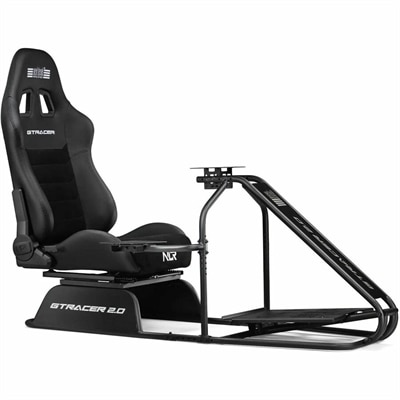
Comfort and room setup often shape the quality of a VR experience as much as visual performance. A clear area with enough space to turn, reach, and step safely can make active experiences more enjoyable, especially when movement-based games or fitness applications are involved. Keep the play zone away from sharp furniture, low tables, pets, and fragile objects, and use the headset’s boundary settings to create a visible reminder of the safe area. A replacement head strap can improve stability and distribute weight more evenly, while a battery-equipped strap may extend playtime without requiring a pause to recharge. Controller grips can add confidence during fast movements, and wrist straps help keep controllers secure when an experience becomes especially energetic. Charging docks provide a tidy place to store a headset and controllers between sessions, helping make sure everything is ready when the next user steps in. For PC-powered VR, check the computer’s graphics capability, available ports, cable reach, and physical placement before selecting compatible gear. A desktop or laptop with a suitable dedicated graphics processor, sufficient memory, and updated drivers can help maintain a smoother experience, while a monitor can make it easier for friends to watch what the headset user sees. Audio is another important consideration: built-in speakers offer convenience, headphones can create a more private and detailed soundscape, and comfortable ear cushions matter when a session stretches beyond a few minutes. Advanced immersion accessories can add vibration, motion, or other physical feedback, giving racing, exploration, rhythm, and fitness applications a stronger sense of presence. These additions may require more room, additional software, or a compatible platform, so it is helpful to confirm the complete setup before adding them. During warmer weather, ventilation and lightweight materials can make a noticeable difference, while cooler months often create more opportunities for indoor entertainment, home workouts, and shared virtual activities.
VR gear can suit many kinds of users, from first-time explorers and casual players to dedicated gamers, creative hobbyists, fitness enthusiasts, and families looking for a memorable way to spend time together. Someone new to virtual reality may appreciate a simple wireless setup with intuitive controls and minimal cables, while an experienced PC gamer may value sharper visuals, precise tracking, and access to demanding simulations. Fitness-focused users can choose motion-oriented experiences that turn a small section of a room into a dance floor, boxing studio, stretching space, or guided training area. Creators may use VR for sculpting, drawing, architectural visualization, music, or collaborative work, making comfort and controller accuracy especially important. Travelers can enjoy a portable system for entertainment away from home, provided they have a safe space and a way to recharge it. VR gear can also be a thoughtful gift for someone who enjoys interactive technology, gaming, movies, exercise, or experimenting with new hobbies. For a recipient, accessories such as a comfortable strap, protective case, charging dock, lens inserts, or controller grips can be useful additions when the main headset is already owned. When giving VR equipment to a household, consider who will use it, whether multiple people need adjustable fit settings, and whether the home has enough space for active play. Younger users may need age-appropriate content, supervision, and clear limits on session length, while all users benefit from regular breaks to rest their eyes and recover from motion-heavy experiences. A sensible setup also includes keeping lenses clean with the recommended materials, storing equipment away from direct sunlight and heat, updating software, and checking comfort before increasing the intensity of an experience. With the right combination of headset, platform, accessories, and room preparation, VR gear can turn an ordinary corner of a home into a place for adventure, movement, creativity, and shared discovery throughout the changing seasons.
FAQs:
When selecting VR gear for home use, consider features such as display resolution, field of view, refresh rate, and tracking capabilities. Comfort is also crucial—look for adjustable headbands and lightweight designs for extended sessions. Compatibility with your virtual reality PC and support for your preferred applications or games can make a significant difference in your overall experience.
VR gear is valuable for a wide range of users beyond gamers, including students, educators, creative professionals, and remote workers. It enables immersive learning, collaborative virtual meetings, 3D design, and interactive training sessions. Families and friends can also enjoy shared experiences like virtual travel, concerts, and fitness activities.
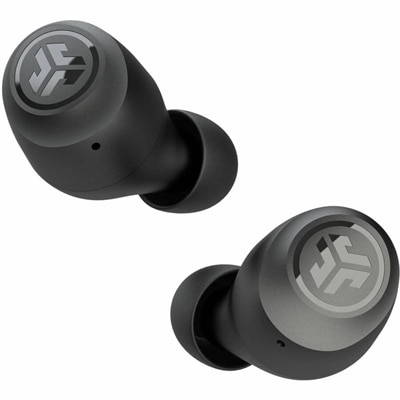
Accessories such as motion controllers, haptic feedback devices, and high-quality audio headsets can significantly enhance immersion and realism in virtual environments. These add-ons allow for more natural interactions, improved spatial awareness, and a deeper sense of presence, making activities like gaming, design, and virtual collaboration more engaging.
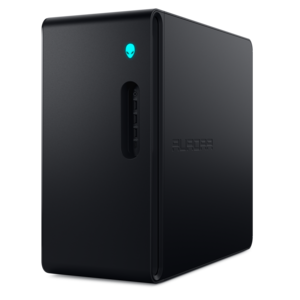
A capable virtual reality PC is essential for delivering smooth graphics, responsive tracking, and an overall enjoyable VR experience. Systems like those designed for dell vr or alienware vr are built to handle the demands of modern VR applications, ensuring minimal lag and high-quality visuals, especially in complex or fast-paced environments.
Yes, VR gear is increasingly being used for virtual meetings and collaborative workspaces. With the right headset and compatible software, users can interact in shared 3D environments, brainstorm on virtual whiteboards, or attend presentations as if they were in the same room. For enhanced audio quality during these sessions, consider exploring options like the Headsets for Virtual Meetings.