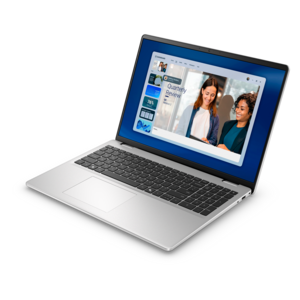
What Are the Best Dell Laptops Under $800 for Programming and Coding?
Finding the right device to support your coding journey is essential for productivity and success. If you’re searching for what are the best Dell laptops under $800 for programming and coding, you’ll discover a range of reliable options designed to meet the demands of developers and students alike. These laptops balance performance, portability, and affordability, making them ideal companions for writing code, testing applications, or learning new programming languages. Explore choices that help streamline your workflow and keep up with your daily tasks without stretching your budget.
This product is not available
Check out the following recommendations.


What Are the Best Dell Laptops Under $800 for Programming and Coding?
Choosing one of the best Dell laptops under $800 for programming and coding starts with matching the computer’s hardware to the way it will be used. A student learning Python, JavaScript, HTML, or SQL may need a dependable machine for an editor, a browser with several research tabs, and a few development tools, while a more experienced developer may also run an integrated development environment, a local database, testing utilities, and multiple projects at the same time. For that reason, a modern Intel Core i5 or AMD Ryzen 5 processor, or a comparable newer processor, is a practical starting point for this budget. These processors provide a useful balance of responsiveness, battery efficiency, and multi-core performance for compiling code, working with larger files, and switching between applications without constant pauses. Memory is equally important. An 8GB configuration can handle introductory programming, lightweight web development, and basic scripting, but 16GB is the more comfortable choice for heavier IDEs, browser-based tools, local databases, emulators, and containerized development environments. When a laptop includes 16GB of memory within the budget, it can provide more breathing room as projects become more complex. Storage also affects the everyday experience. A 512GB solid-state drive gives an operating system, development environments, software libraries, project folders, and personal files room to grow while helping the laptop start quickly and open applications with less delay than older storage technology. Anyone who regularly downloads software development kits, keeps multiple code repositories, or works with media and design assets should pay close attention to available capacity rather than focusing only on the processor.
Screen size and keyboard design can shape the quality of long coding sessions just as much as raw performance. A 14-inch laptop is often a strong fit for students, commuters, and professionals who move between a classroom, office, library, or shared workspace. Its smaller footprint is easier to slip into a backpack, yet it can still provide enough room for a code editor and a browser when the display has a useful resolution and a taller aspect ratio. A 16:10 screen, when available, offers additional vertical space for viewing more lines of code, documentation, and terminal output with less scrolling. A 15-inch laptop can be a better choice for users who prefer a larger workspace, a roomier keyboard, or a dedicated number pad for spreadsheets, data entry, and coursework. Look for a keyboard with comfortable key travel, clearly defined keys, and a layout that makes punctuation easy to reach, since programming involves frequent use of brackets, symbols, quotation marks, and navigation keys. A responsive touchpad, a bright display with comfortable viewing angles, and an effective backlight can also make a noticeable difference during evening study sessions or work in changing indoor light. Port selection deserves a place on the checklist as well. USB ports are useful for external drives, mice, and other accessories, while an HDMI connection or compatible display output can support a larger monitor for a split-screen setup. Wi-Fi, Bluetooth, a webcam, and a microphone are valuable for remote classes, team meetings, code reviews, and collaborative projects. Battery life varies with screen brightness, software, and workload, so users who spend long stretches away from an outlet should consider portability alongside processing power.
These laptops can suit a wide range of people, including first-time programmers, college students, career changers, independent learners, and small-business owners who need one computer for both coding and everyday productivity. A student may use one to build a first personal website at a desk covered with notebooks and reference guides, then carry it to class for testing an assignment between lectures. A freelance developer may use the same general type of laptop to manage client files, write scripts, review content, and attend video meetings without maintaining separate machines. For families, a capable laptop can be a practical gift for someone beginning a computer science course, exploring app development, or preparing for technical training during the cooler months. It is wise to confirm the requirements of the intended programming language, course, or development platform before purchasing, particularly if the work involves advanced graphics, large virtual environments, or specialized engineering software. For broader comparisons across budget ranges, explore What Are the Best Laptops Under $1000 for Programming and Coding?. Within an under-$800 budget, prioritize the processor generation, 16GB of memory when possible, and a 512GB solid-state drive before placing too much emphasis on cosmetic features. A comfortable screen and keyboard may encourage longer, more productive sessions, while a sturdy design and manageable weight make the laptop easier to use at home, in class, or while traveling. The best choice is the configuration that leaves enough performance for today’s projects and enough flexibility for the user’s skills to develop over time.
FAQs:
When choosing a Dell laptop for programming and coding under $800, prioritize a recent-generation Intel Core i5/i7 or AMD Ryzen 5/7 processor, at least 16GB of RAM for smooth multitasking, and a fast SSD (512GB or higher) for quick boot times and file access. A full HD display is also important for clear code visibility and comfortable long sessions.
Yes, Dell laptops are a popular choice for beginner programmers and students due to their balance of performance, durability, and value. Models in this range are designed to handle modern development environments, making them suitable for coursework, personal projects, and collaborative learning.
Many Dell laptops under $800 are equipped with 16GB of RAM and capable processors, making them suitable for running virtual machines and resource-intensive development tools. For the best experience, look for models with higher RAM and SSD storage to avoid performance slowdowns during multitasking.
Dell laptops in this category make excellent gifts for aspiring coders or students due to their reliability, user-friendly designs, and features tailored for programming. A lightweight build, long battery life, and responsive performance ensure the recipient can use their laptop in a variety of settings, from classrooms to coffee shops.
Display quality is important for programmers, as a sharp and bright full HD screen reduces eye strain and makes it easier to read and edit code. A larger or higher-resolution display allows for more lines of code to be visible at once, improving efficiency during development sessions.