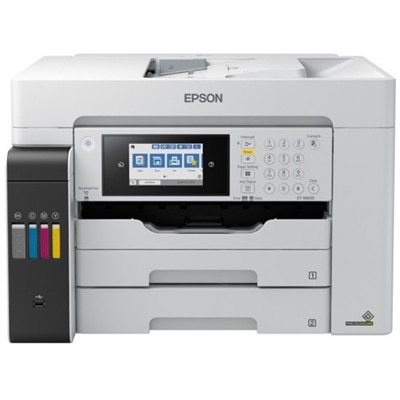
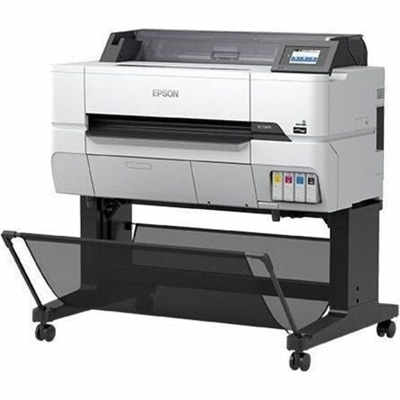
24 Inch Wide Format Printers
Discover the versatility and performance of 24 inch wide format printers, designed to meet the demands of professionals and businesses alike. Ideal for producing detailed graphics, technical drawings, posters, and high-quality prints, these printers offer reliable solutions for a range of creative and commercial applications. Explore options that deliver exceptional results while optimizing productivity in your workspace with 24 inch wide format printers.
This product is not available
Check out the following recommendations.
24 Inch Wide Format Printers
A 24-inch wide format printer is designed for work that ordinary office printers cannot handle comfortably. With a maximum print width of up to 24 inches, these machines can produce large CAD drawings, architectural plans, engineering diagrams, blueprints, posters, presentation boards, artwork and high-resolution photographs with fewer seams and less manual assembly. Many use inkjet printing technology, while some are described as plotters because they are optimized for precise line work and technical documents. For design firms, architects, engineers, contractors, educators, photographers, artists and home offices with ambitious projects, a 24-inch format can provide a practical balance between professional output and manageable workspace requirements. When browsing a selection of these printers, consider the kinds of files you expect to print most often. Technical users may place greater importance on sharp lines, accurate scaling and dependable handling of plain, coated or translucent drafting media. Creative users may focus on color range, smooth tonal transitions and support for heavyweight photo paper, fine art paper or canvas. Some printers are built primarily for CAD and blueprint production, while others are better suited to posters, signage, illustrations and gallery-style photography. Understanding that distinction can help narrow a product list before comparing features. A printer intended for occasional classroom diagrams may have very different strengths from one used throughout the day in a professional studio. It is also helpful to check the maximum paper roll width, individual sheet sizes, media thickness and whether the printer supports roll-fed, cut-sheet or both types of loading. Roll support can make long drawings and panoramic images easier to produce, while sheet handling may be convenient for posters, proofs and standard-size presentation pages. If your projects vary from one assignment to the next, a flexible media path can reduce preparation time and give you more ways to use the printer.
Connectivity and workflow features matter just as much as print width. Many modern wide format inkjet printers can connect through wired networking, USB or wireless options, allowing a team to send files from a workstation, laptop or mobile device without moving documents from one computer to another. Compatibility with common design, drafting and office file formats can simplify everyday work, particularly when several people share the same printer. Look for a clear control panel, straightforward driver software and useful status information for paper, ink and maintenance tasks. Automatic sheet feeders, integrated cutters and roll-handling systems can make a noticeable difference when producing multiple pages or changing between projects. A built-in cutter can help separate finished plans and posters with clean, consistent edges, while automatic alignment and calibration features support reliable results over longer print runs. Print speed is another consideration, though the most meaningful comparison depends on the type of page being produced. A simple line drawing may print much faster than a full-color image with dense coverage, so advertised speeds are best understood alongside the printer’s intended workload. Resolution and ink configuration also deserve attention. Higher resolution can help preserve small labels, fine contours and delicate photographic detail, but ink efficiency, color consistency and the cost of replacement cartridges can influence the total ownership experience. Some users need an expanded color set for nuanced images; others may benefit more from dedicated black inks that keep text and technical lines crisp. Before choosing, estimate how frequently the printer will run, how much color coverage your files typically require and whether archival or fade-resistant output is important. You can explore additional options in the category of Wide Format Inkjet Printers when comparing formats, media support and workflow needs.
The right 24-inch wide format printer can become a useful part of a creative workspace, project office, classroom or home studio. Architects and engineers can review full-scale plans without reducing important details, then mark up printed drawings during a meeting or site visit. Photographers and artists can create large prints that show subtle textures, rich skies and carefully balanced shadows, whether the finished work is displayed in a portfolio, mounted for an exhibition or given to a client. Small businesses may use one to produce indoor posters, floor plans, menus, educational displays or branded presentation materials without relying on an outside print service for every revision. Teachers, makers and hobbyists can also use the extra width for maps, sewing patterns, craft templates and visual projects that would be awkward to divide across standard pages. During the cooler months, a printer that supports in-house production can be especially convenient when outdoor errands and last-minute trips are less appealing, letting teams refine and print materials in the same workspace where the files are created. Space planning remains important: measure the printer’s footprint with trays, covers and paper loaded, and leave room to access cartridges, rolls and finished pages. Consider sound levels, ventilation, power requirements and the location of nearby computers or worktables as well. Ink and paper storage should be kept clean, dry and protected from temperature swings so media feeds consistently and finished prints maintain their intended appearance. For occasional users, simple setup and low-maintenance operation may matter more than the fastest output. For busy studios, higher capacity, automatic maintenance routines and efficient media changes can help keep projects moving. A thoughtful comparison of print purpose, color needs, media compatibility, connectivity, physical space and ongoing supplies makes it easier to choose a 24-inch wide format printer that feels at home in your workflow and produces large, polished pages whenever your work calls for them.
FAQs:
A 24 inch wide format printer is ideal for producing large-scale visuals such as posters, architectural blueprints, engineering schematics, banners, fine art prints, and detailed photographs. Its ability to handle wider media makes it a favorite among creative professionals, educators, and businesses that require impactful, high-quality prints.
Yes, most 24 inch photo printers are designed to accommodate a variety of media types, including glossy and matte photo papers, canvas, vinyl, and heavyweight cardstock. This versatility allows users to experiment with different textures and finishes to achieve the desired look for each project.
Many 24 inch color printers offer a range of connectivity options, such as USB, Ethernet, and Wi-Fi. Some models also support cloud printing and mobile device integration, making it easy to print from multiple sources and collaborate with team members remotely.
Professionals such as graphic designers, architects, photographers, marketers, and educators frequently use 24" printers. These devices are valued for their ability to produce high-resolution prints, technical drawings, and promotional materials that require both precision and vibrant color output.
A wide format printer streamlines the production of large-scale documents and visuals, reducing the need for outsourcing. This allows for greater control over print quality, faster turnaround times, and the ability to customize materials on demand, which can be a significant advantage for creative projects and business presentations.