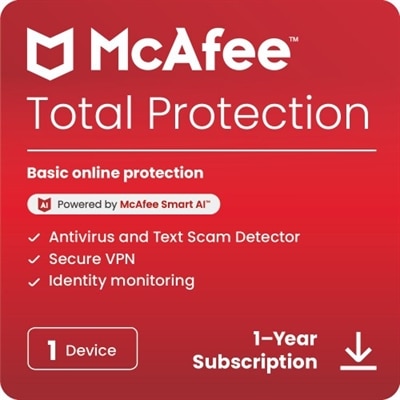
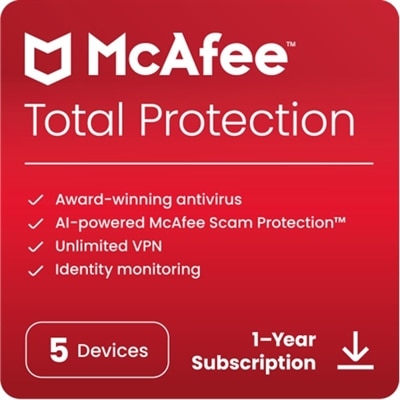
Antivirus Software For Personal Computers
Antivirus software for personal computers is essential for keeping your digital life secure and running smoothly. Whether you use your PC for work, entertainment, or staying connected with loved ones, reliable protection helps safeguard your data and privacy from potential threats. Explore a wide selection of antivirus solutions designed to meet the needs of every user and ensure peace of mind while you browse, download, and communicate online.
This product is not available
Check out the following recommendations.
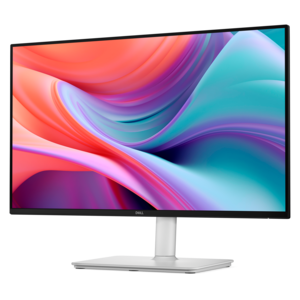

Antivirus Software For Personal Computers
Antivirus software for personal computers helps create a safer everyday environment for browsing, shopping, banking, studying, working, and staying connected. Modern protection tools are designed to identify and block malicious files, suspicious websites, phishing attempts, spyware, unwanted applications, and ransomware before they can cause lasting harm. Some protection is built into a computer’s operating system and can provide a useful baseline at no additional cost, while paid options may add broader coverage, more frequent monitoring, privacy tools, password management, cloud backup, or support for several devices under one account. When comparing options, consider how the software fits into the way the computer is actually used. A family PC that handles schoolwork, online payments, downloaded files, and shared email may benefit from clear alerts and automatic protection, while a personal laptop used for travel may be better suited to a lightweight application with privacy features and protection on public networks. Look for tools that update their threat information automatically, scan downloads and email attachments, and continue monitoring in the background without noticeably slowing startup, browsing, or everyday applications. Independent testing can offer helpful context, particularly when it measures protection against newly emerging threats, false alarms, system performance, and the ability to remove infections that are already present. A strong reputation for detection is important, but so is an interface that makes security settings understandable. The best choice is one that encourages consistent use rather than creating confusion with excessive notifications or complicated controls. Explore Antivirus Protection to compare options for personal computers and find coverage that suits your devices, habits, and comfort level.
The number of devices covered is one of the most practical details to check before choosing antivirus software. A single-computer license may be suitable for a home office or a student laptop, while a multi-device subscription can make more sense when a household has several computers, tablets, or phones that need protection. Some plans allow coverage to be shared among family members, which can simplify account management and help keep every device current. Also review whether the software supports the operating systems in your household and whether features vary between desktop and mobile versions. Effective malware protection should include real-time scanning, scheduled or on-demand scans, web protection, and safeguards against ransomware, which can lock personal photographs, documents, and other files. A firewall can help monitor network traffic, while a secure browsing mode may add another layer of protection when entering payment details or signing in to financial accounts. Privacy tools such as a virtual private network can be useful on unfamiliar wireless networks, though data limits and server access vary widely. A password manager may help replace repeated, easy-to-guess passwords with stronger individual credentials, and cloud backup can provide a valuable recovery option if files are damaged or encrypted. These additions are not equally important for everyone, so compare the included features rather than paying for a bundle filled with tools you will not use. It is also wise to review renewal pricing, cancellation terms, trial conditions, customer support, and whether the software displays frequent upgrade prompts. A clear annual cost makes it easier to plan, especially when protection is being added to several devices at once. For computers shared by children or older relatives, simple dashboards, automatic scans, and readable warnings can be more valuable than a long list of advanced settings.
Antivirus software can be a thoughtful gift for someone setting up a first home office, heading to college, working remotely, or replacing an older computer. It is especially practical for a relative who saves years of photographs and important documents on one machine, or for a household that has recently begun managing bills, appointments, and purchases online. Protection works best alongside a few steady habits: keep the operating system and applications updated, use unique passwords, enable multifactor authentication when available, download software only from trusted sources, and pause before opening unexpected links or attachments. No security application can make every online activity risk-free, and even the strongest protection may not prevent a user from voluntarily sharing a password or approving a suspicious request. Good software can, however, provide a useful second set of eyes by warning about unsafe pages, blocking known threats, and isolating suspicious files before they spread. Before purchasing, check whether an existing built-in security service will conflict with the new application, whether scans can be scheduled for convenient times, and whether the program offers a clear way to restore files or remove unwanted software. Consider the computer’s age and available memory as well; a compact laptop with limited resources may perform better with a streamlined security application than with a large suite running many background services. Families may appreciate centralized controls and coverage for several users, while independent professionals may prioritize privacy, secure browsing, and reliable support. The right antivirus software should fit quietly into daily life, protecting the documents, conversations, accounts, and memories stored on a personal computer while leaving the owner confident and in control.
FAQs:
When selecting antivirus software for your personal computer, consider features such as real-time malware detection, ransomware protection, a built-in firewall, and automatic updates. Additional tools like VPN services, password managers, parental controls, and cloud backup can further enhance your digital security and convenience.
Many antivirus solutions offer multi-device licenses, allowing you to protect several computers, laptops, or even tablets and smartphones under a single subscription. This is especially helpful for families or individuals with multiple devices that require protection.
Most leading antivirus software is designed to support both Windows and Mac operating systems. However, features and functionality can vary depending on the platform, so it’s important to review compatibility details before installation.
Regular updates are essential for maintaining effective protection. Most modern antivirus programs offer automatic updates to ensure you have the latest virus definitions and security enhancements without manual intervention.
Beyond basic virus protection, antivirus software may offer benefits such as secure browsing, identity theft monitoring, parental controls, system optimization tools, and encrypted cloud storage. These features help create a safer and more efficient computing experience.