1. Screen Size and Resolution
2. Connectivity Options
3. Ergonomics and Adjustability
4. Price and Value
Looking for the best second monitor to enhance your study setup? We've curated a list of top-rated second monitors for students based on user reviews, so you can find the perfect companion for your academic endeavors. Whether you need a dual-screen setup for multitasking, improved display for detailed projects, or simply want to expand your digital workspace, our selection covers a range of options to suit your specific needs. With user ratings guiding our choices, you can trust that these second monitors have left a positive impression on students just like you.
A second monitor can boost productivity and make multitasking easier for students—here’s what to consider before making your choice.
1. Screen Size and Resolution
2. Connectivity Options
3. Ergonomics and Adjustability
4. Price and Value
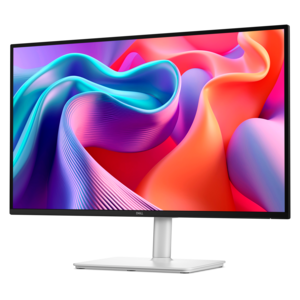
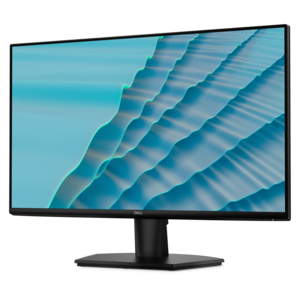
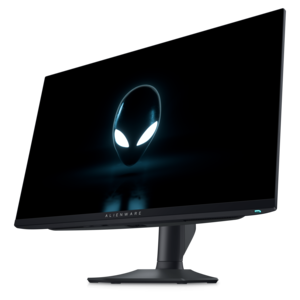
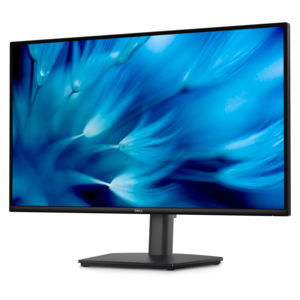
A QHD monitor with 144Hz refresh, built-in speakers, and TÜV 4-star eye-comfort certification.
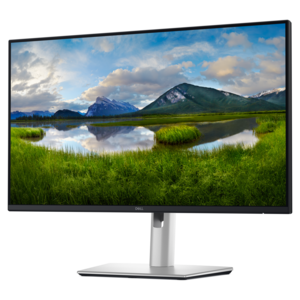
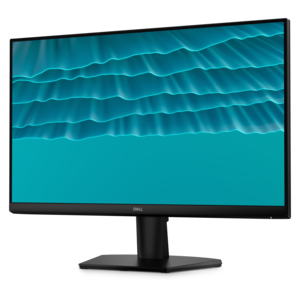
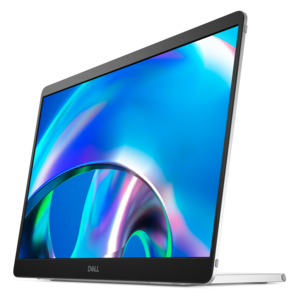
A QHD monitor with USB-C hub connectivity and TÜV-certified four-star eye comfort for productive, comfortable viewing.
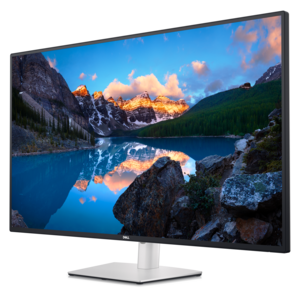
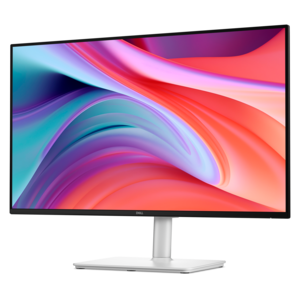
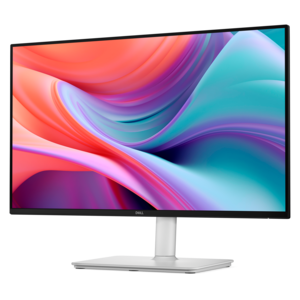
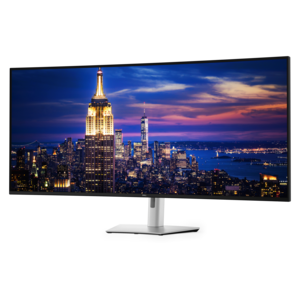
A 4K USB-C hub monitor supporting multi-PC connectivity, four FHD partitions, ComfortView Plus, and wired Ethernet.
Students should consider monitors with high resolution for clear visuals, adjustable stands for ergonomic comfort, and connectivity options like HDMI or USB-C for easy setup with laptops or desktops.
A second monitor allows students to multitask efficiently, such as taking notes on one screen while attending virtual classes or researching on another, helping to streamline workflow and reduce the need to constantly switch between tabs.
Monitors with IPS panels offer wide viewing angles and accurate color reproduction, while features like blue light filters and flicker-free screens help reduce eye strain during extended study sessions.
Look for monitors that support common connections like HDMI, DisplayPort, or USB-C, ensuring compatibility with a range of devices such as laptops, tablets, and desktops.
Yes, a second monitor is versatile and can enhance both academic tasks like research and writing, as well as entertainment activities such as streaming videos or light gaming during study breaks.
Add the products you would like to compare, and quickly determine which is best for your needs.