Bluetooth Audio
Elevate your listening experience with our diverse selection of Bluetooth audio devices, designed to seamlessly integrate into your lifestyle. Whether you're at home, on the go, or in the office, Bluetooth audio technology offers the flexibility and convenience you need to enjoy high-quality sound without the hassle of wires. Explore a range of options that cater to every preference and setting, ensuring you find the perfect match for your auditory needs. Discover how wireless connectivity can transform your music, podcasts, and calls into a more immersive experience.
This product is not available
Check out the following recommendations.




Bluetooth Audio
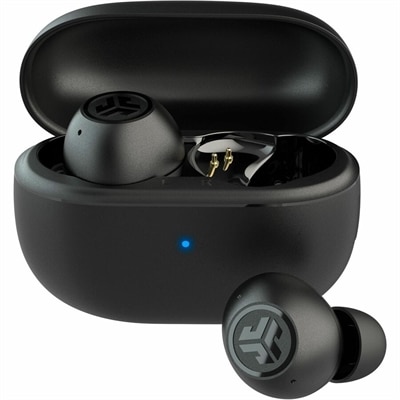
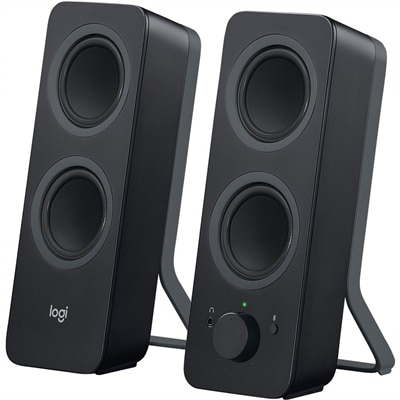
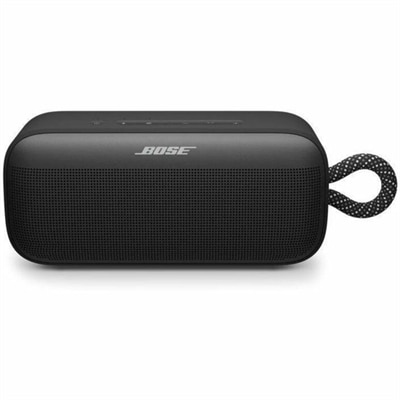
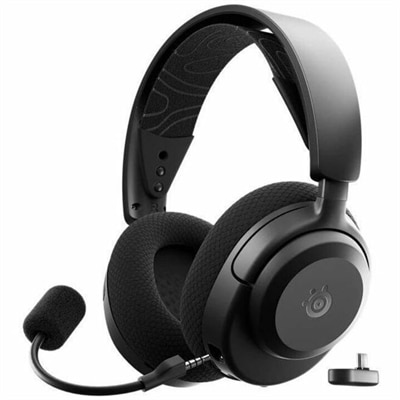
Bluetooth audio is a way to send sound wirelessly over a short distance from a compatible phone, tablet, laptop, or desktop to headphones, earbuds, speakers, or an audio receiver. The devices connect directly, so a Wi-Fi network is not required for the Bluetooth connection itself, although streaming music or other online content may still require internet access. Inside that connection, an audio codec encodes and usually compresses digital sound for transmission over radio waves. The receiving device decodes the signal, and its audio circuitry converts it into sound through the speaker drivers. That process happens quickly enough to make wireless listening feel familiar: a playlist follows you from the kitchen counter to the breakfast table, a podcast keeps you company while you fold laundry, or a pair of headphones gives you a little privacy in a busy home. The appeal is less about changing what you listen to than making it easier to listen where you want. Bluetooth headphones and earbuds keep audio personal, while wireless speakers bring it into a shared space. Receivers can add Bluetooth playback to some existing wired audio systems, provided the connections and power requirements match. Each category serves a different routine, and the right fit depends on where the sound needs to go. A compact speaker is easy to carry between rooms, while a larger speaker may provide fuller bass and more volume for a living area. Headphones with cushioned earcups can suit longer listening sessions; small earbuds take up less room in a work bag or jacket pocket. For listening at a desk or around the house, Bluetooth Stereo Speakers offer another way to explore wireless playback. Check whether a speaker provides distinct left and right channels on its own or needs a second compatible unit for stereo pairing, since those arrangements create different listening experiences.
Sound quality matters, but it is only one part of choosing Bluetooth audio equipment that feels comfortable in daily use. Clear vocals help with spoken-word recordings and calls, balanced midrange keeps instruments from getting lost, and controlled bass adds weight without overwhelming quieter details. A bigger driver or a newer Bluetooth version does not automatically mean better sound; tuning, enclosure design, fit, and the quality of the recording all play a role. With earbuds, a secure seal can make a noticeable difference to bass response and passive noise isolation. With over-ear headphones, earcup depth, cushion material, clamping pressure, and overall weight become more important as a short listening session turns into an afternoon. Anyone who wears glasses may appreciate a design that does not press the frames tightly against the sides of the head. Active noise cancellation can reduce steady background sounds, such as ventilation or the low rumble of travel, while an ambient listening mode can make nearby voices easier to hear without removing the headphones. Neither feature replaces attention to your surroundings, and performance varies by design. Battery specifications deserve a similarly practical look. Advertised listening time is measured under particular conditions, and actual runtime can change with volume, calls, noise cancellation, and other features. For earbuds, distinguish between playback on a single charge and the total listening time available with a charging case. Charging speed, connector type, and the ability to use a wired connection can also matter when the battery runs low just before a meeting. For speakers used outside, look for a stated water- or dust-resistance rating rather than assuming that a portable shape means weather protection. A splash-resistant speaker may suit a covered patio but not immersion in water. Physical controls are worth considering, too: clearly separated buttons can be easier to operate by touch than a smooth surface when you are cooking, walking, or reaching across a crowded desk.
Compatibility and connection features often determine how smoothly Bluetooth audio fits into a household with several devices. Both the source and the listening device must support the relevant Bluetooth functions, and optional features work only when the necessary support is present on both sides. Codec compatibility can affect audio quality and delay, but a codec name alone cannot promise a better experience. Lip synchronization is especially relevant for movies, and low latency matters for games; some applications compensate for delay, while others leave a more noticeable gap between an action and its sound. For timing-sensitive use, a wired connection or a dedicated wireless option may be preferable. Multipoint connectivity can be useful for someone moving between a laptop and a phone, allowing supported headphones to stay connected to more than one source, though switching behavior varies and simultaneous playback is not guaranteed. Microphone quality deserves attention if listening also means video meetings, voice chats, or catching up with family. Wind handling, background-noise reduction, and microphone placement all affect how clearly the person on the other end hears you. Wireless range is another real-world consideration: walls, furniture, interference, and device design can reduce the distance a connection reliably covers. A speaker that works well beside a laptop may behave differently with the source device upstairs. These details also make Bluetooth audio a thoughtful birthday, graduation, or housewarming gift when matched to the recipient’s habits. A student sharing a room may value comfortable headphones, a frequent traveler may appreciate compact earbuds, and someone who enjoys music while preparing dinner may get more use from a speaker with simple controls. Confirm device compatibility and consider comfort, charging habits, and accessibility before choosing. The most satisfying choice is often the one that removes a small daily inconvenience: no cable catching on a chair arm, no need to carry a laptop closer just to hear a conversation, and familiar music within easy reach at the end of the day.
FAQs:
Bluetooth audio devices offer wireless convenience, allowing you to move freely without being tethered to your device. They’re ideal for multitasking, exercising, or commuting, and modern advancements in Bluetooth technology provide impressive sound quality, stable connections, and long battery life. Many models also support features like multi-device pairing and voice assistant integration.
You can use an aux to bluetooth adapter to add wireless functionality to your wired speakers or headphones. Simply plug the adapter into the aux input of your audio device, pair it with your Bluetooth-enabled source, and enjoy wireless streaming without replacing your current equipment.
Yes, many Bluetooth headphones are compatible with gaming devices such as the Steam Deck. Pairing your headphones allows for a cable-free gaming experience, and some models support low-latency modes to minimize audio delay, which is especially beneficial for gaming.
When selecting Bluetooth audio devices for outdoor activities, look for features like water or sweat resistance, durable construction, and long battery life. Portability and easy pairing are also important, as is sound quality that can carry well in open spaces.
Bluetooth audio codecs determine how audio is transmitted from your device to your headphones or speakers. SBC is the standard codec and offers good quality, while aptX and LDAC are advanced codecs that provide higher fidelity and lower latency, resulting in clearer, more detailed sound—especially noticeable when listening to high-resolution audio files.