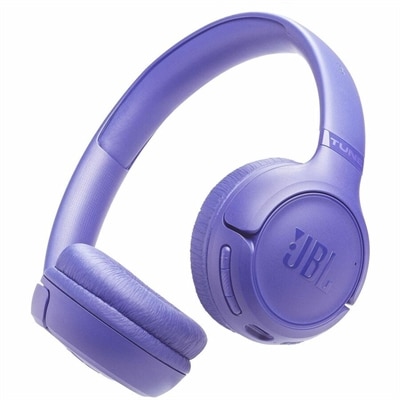
$39.95
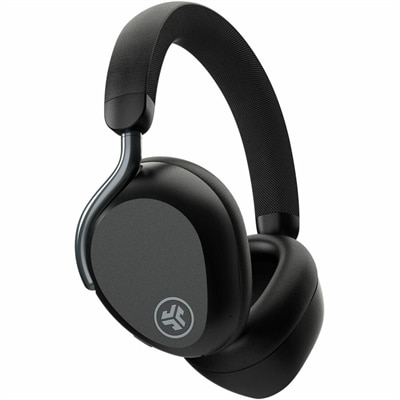
A wireless on-ear headset delivering Pure Bass audio, 76-hour battery life, dual-mic calls, and foldable comfort.
Browse Bluetooth headphones for wireless listening with compatible phones, tablets, and computers. Compare options by fit, battery life, and controls, and check device compatibility to find headphones that suit how and where you listen.
A wireless on-ear headset delivering Pure Bass audio, 76-hour battery life, dual-mic calls, and foldable comfort.
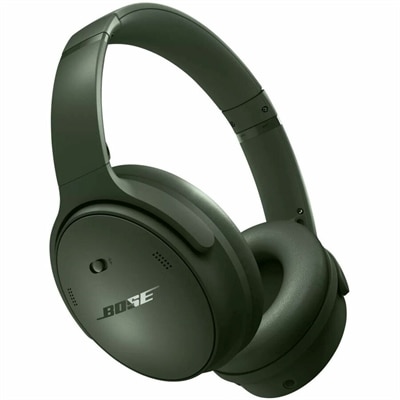
A Cypress Green headset with active noise cancellation, immersive audio, multipoint Bluetooth, and foldable earcups.
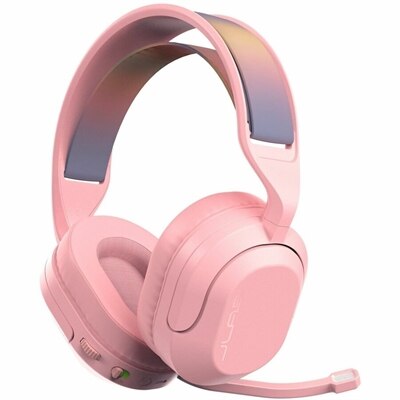
A wireless gaming headset with 50mm drivers, Bluetooth, USB-C connectivity, flip-to-mute mic, and Cloud Foam comfort.
Bluetooth headphones provide wireless audio from compatible laptops, desktops, phones, and tablets, with designs ranging from compact earbuds to cushioned over-ear styles. They keep music, calls, podcasts, and video sound close without an audio cable running between the listener and the source device. The right fit depends as much on where and how they will be worn as on sound preferences. Over-ear headphones surround the ears with padded cushions and can feel comfortable during a long afternoon at a desk, although larger earcups take up more room in a bag. On-ear headphones rest against the outer ears and often have a smaller footprint, but their contact pressure may become noticeable during extended listening. In-ear designs travel easily and may include interchangeable tips that help create a secure seal. That seal matters: a loose ear tip can weaken bass and let surrounding noise compete with quiet passages or spoken dialogue. Silicone tips are generally easy to wipe clean, while foam tips compress to fit the ear and may need more frequent replacement as they wear. For larger headphones, woven fabric, synthetic leather, and foam cushioning each have a different feel against the skin. Fabric may feel more breathable, while smooth coverings can be easier to wipe down, depending on the care instructions. Adjustable headbands, swiveling earcups, and balanced weight distribution help accommodate different head shapes. Glasses can change the way an ear cushion sits, making pressure around the temples especially relevant for everyday use. A commuter slipping headphones into a backpack may value a folding design and protective case; someone listening through a full workday may care more about soft cushioning and accessible controls. For a student moving between a laptop and a phone, a lightweight design can make the headphones a practical companion for recorded lectures, study breaks, and conversations with friends.
Sound quality in Bluetooth headphones reflects the interaction of the drivers, tuning, fit, wireless connection, and source audio—not a single specification. Clear midrange reproduction helps voices sound natural in meetings and podcasts, while controlled bass gives music weight without overwhelming dialogue. An adjustable equalizer, when supported, offers flexibility for listeners who prefer more vocal presence or a less bass-heavy presentation. Active noise cancellation uses microphones and processing to reduce surrounding sound and is often most effective against steady noise, such as ventilation or the low rumble of transportation. Passive isolation comes from the physical seal of ear tips or cushions, and it works alongside active processing rather than replacing it. Neither feature creates complete silence. Transparency or ambient listening modes can make nearby conversation easier to hear, but they do not substitute for attention to surroundings. Microphone performance deserves separate consideration from playback quality: headphones that sound rich with music may handle speech differently in a busy kitchen, breezy outdoor setting, or shared workspace. Microphone placement and background-noise processing can influence how clearly a voice reaches the other person. Battery figures also need context. Listening time varies with volume, noise cancellation, calls, and other enabled features, while an earbud case’s total battery figure typically includes additional recharges rather than one uninterrupted listening session. Quick charging can help before a commute, but charging times and requirements vary by design. Multipoint connectivity, when supported, can maintain connections with more than one compatible device, making the transition between laptop audio and a phone call more convenient. Actual switching behavior depends on the headphones and connected devices. Bluetooth version alone does not determine sound quality, range, or responsiveness; antenna design, nearby interference, supported audio codecs, and the source device also matter. Codec benefits require compatible support at both ends of the connection. For video, software may compensate for audio delay, while interactive applications can make that delay more noticeable. Physical buttons and touch controls offer different everyday experiences, especially when adjusting volume without looking at the headphones.
Durability and care help determine how well Bluetooth headphones fit into a daily routine. A sturdy headband, smoothly moving hinges, reinforced adjustment points, and replaceable ear cushions can support longer use, although no construction makes headphones immune to drops or rough handling. A protective case helps keep earcups from being compressed beside books, charging cables, and other bag contents. Compact earbuds benefit from a case that closes securely and keeps the charging contacts protected from loose debris. Sweat and water resistance should be understood through the stated rating and intended use; resistance to splashes does not automatically mean suitability for swimming, and earbuds and their charging case may have different protection levels. After exercise, allowing the headphones to dry before charging helps protect the charging connection. Routine cleaning is usually straightforward: a soft cloth can remove surface oils, while removable tips and cushions should be cleaned only as directed for their materials. Excess moisture, harsh cleaners, and prolonged heat can damage finishes, adhesives, or padding. For exercise, secure fit and appropriate sweat resistance may matter more than plush cushioning. For remote work, accessible mute controls and consistent microphone pickup can make everyday conversations easier. Players who need voice chat alongside game audio may also explore Bluetooth Gaming Headsets, keeping platform compatibility and connection type in mind. A computer or console may not support every Bluetooth audio feature, and some connections change playback quality when the microphone is active. Bluetooth headphones can also make a thoughtful gift for a college student, a frequent traveler, or someone who enjoys listening while relaxing at home. Comfort preferences, compatible devices, and the recipient’s usual activities provide more useful direction than appearance alone. Across those settings, a comfortable fit, manageable controls, practical battery life, and sound suited to the listener’s interests are the qualities that make headphones useful beyond the first few listening sessions. Listening at a comfortable volume and taking regular breaks remain important, even when noise cancellation makes the surroundings seem quieter.
Add the products you would like to compare, and quickly determine which is best for your needs.