$989.00
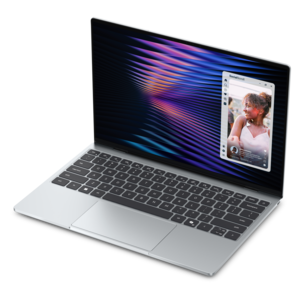
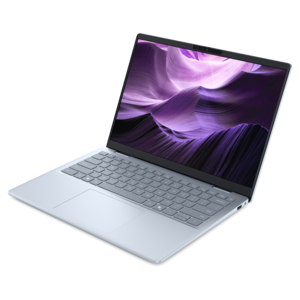
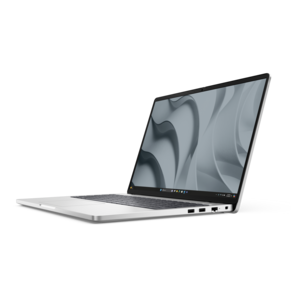
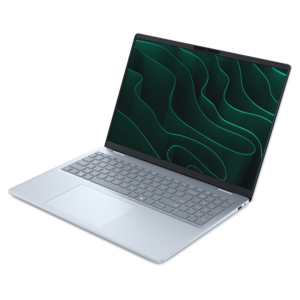
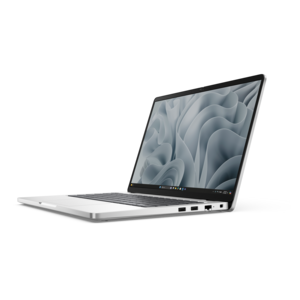
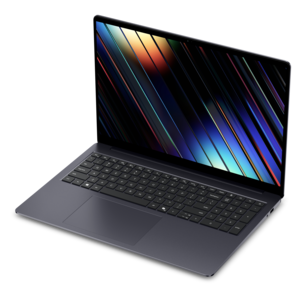
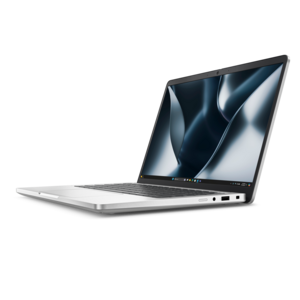
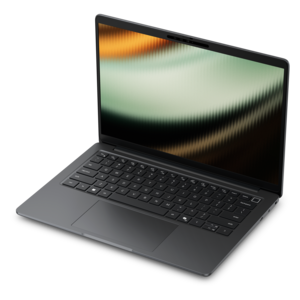
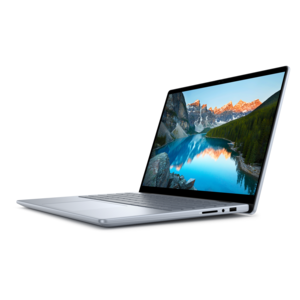
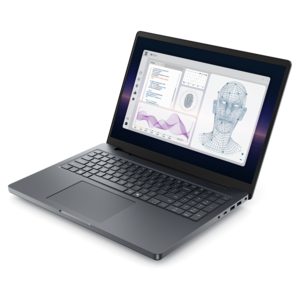
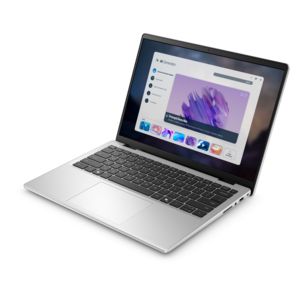
A portable laptop with a sleek design, 16:10 display, and AI PC options for productivity anywhere.
Data science laptops are designed to meet the rigorous demands of data analysis, machine learning, and complex computations. These powerful devices offer the performance needed to handle large datasets, run sophisticated algorithms, and visualize data with precision. Ideal for professionals and students alike, data science laptops provide the reliability and speed essential for efficient workflow and productivity in the field of data science. Whether working on predictive models or deep learning projects, these laptops ensure that you have the computational power required to excel in your endeavors.
A portable laptop with a sleek design, 16:10 display, and AI PC options for productivity anywhere.
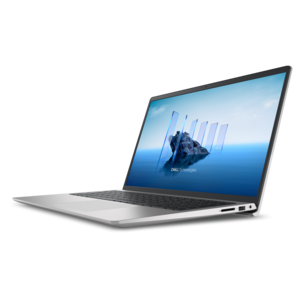
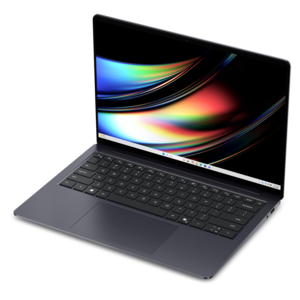
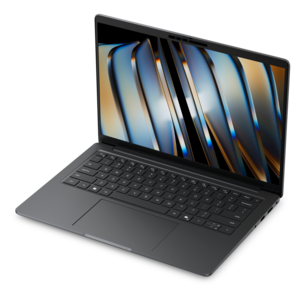
A remarkably thin, lightweight laptop designed for ultimate mobility.
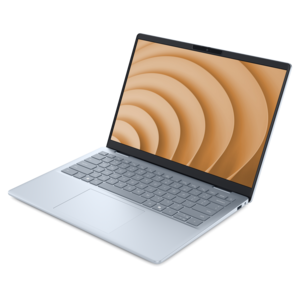
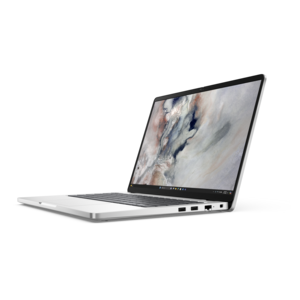
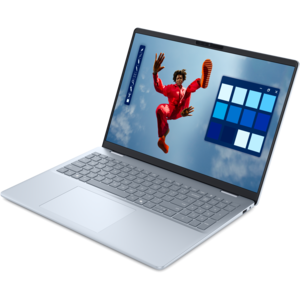
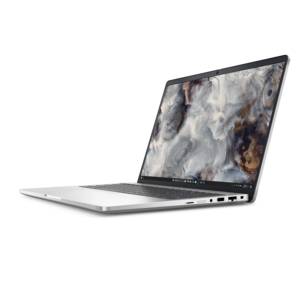
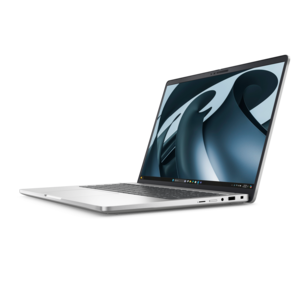
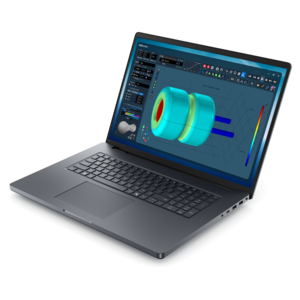
A durable productivity laptop featuring an expansive 16:10 display and convenient numeric keypad.
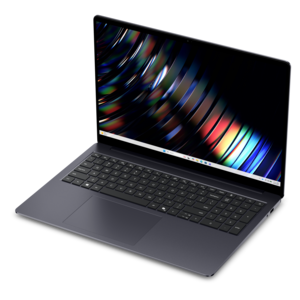
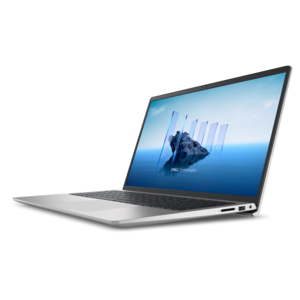
A lightweight AI-powered laptop designed for creative professionals and small businesses.
A sleek laptop powered by the latest AMD Ryzen™ AI 400 Series processors for demanding users.
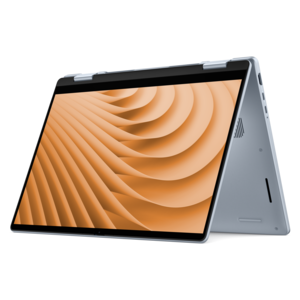
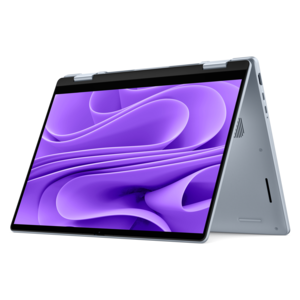
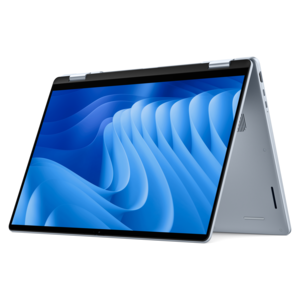
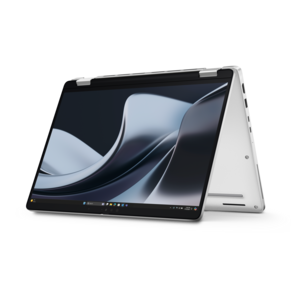
A versatile 2-in-1 laptop designed for AI experiences and seamless multitasking on the go.
A sleek laptop powered by AMD Ryzen AI 400, designed for smooth, capable multitasking.
A portable, durable laptop with modular design, strong security, spacious 16:10 display, and built-in AI options.
A versatile 2-in-1 laptop with AI experiences, all-day battery life, and seamless multitasking.
A lightweight AI-powered laptop with Intel Arc graphics, ideal for creative professionals and small businesses.
A durable, modular laptop featuring robust security, spacious 16:10 display, numeric keypad, and optional built-in AI.
An AI-ready laptop with a spacious display, designed for creators and developers seeking high performance.
A durable, modular laptop featuring robust security, a spacious display, and built-in AI options for workdays.
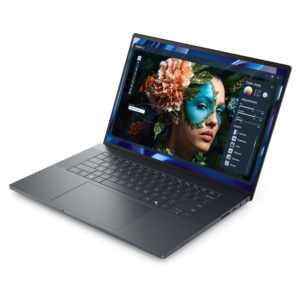
A sleek laptop delivering smooth AI experiences and accelerated creative workflows for demanding high-performance users.
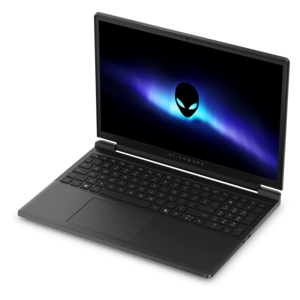
A gaming laptop powered by AMD Ryzen 200 Series processors and NVIDIA GeForce RTX laptop graphics.
An AI-powered laptop with a spacious display and Intel Arc graphics for creators and developers.
A versatile 2-in-1 laptop with built-in AI and a spacious display for creative work.
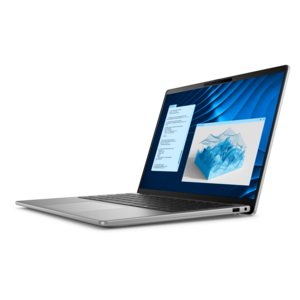
A secure, scalable commercial AI PC in a sleek, durable aluminum body for on-the-go multitasking.
A secure, scalable AI laptop with durable aluminum construction and a spacious productivity-focused display.
A secure, scalable commercial AI laptop featuring a sleek, durable aluminum body and productivity-focused display.
A high-performance professional laptop with on-device AI and exceptional battery life for unplugged productivity.
A remarkably thin laptop powered by AMD Ryzen AI PRO 400 Series processors for professional performance.
A thin, durable laptop powered by AMD Ryzen™ AI PRO 400 Series processors for professional work.
A secure, scalable commercial AI laptop with a sleek, durable aluminum body and spacious productivity-focused display.
Data science laptops are designed for the hands-on work of exploring information, writing code, building visualizations, and developing machine learning workflows wherever your work takes you. They can serve students learning Python, R, SQL, statistics, and applied mathematics; analysts working with spreadsheets and business intelligence tools; researchers processing experimental results; and professionals who move between local development and cloud-based computing. A capable configuration typically starts with a modern multi-core processor, since data preparation, notebook execution, statistical analysis, and software development often involve several demanding tasks at once. Memory is equally important: 16GB can support introductory coursework and moderate projects, while 32GB provides more comfortable headroom for large datasets, multiple browser tabs, development environments, local databases, and virtual machines. Users who regularly work with extensive datasets, complex simulations, or several applications at the same time may benefit from even more memory. Fast solid-state storage helps applications open quickly and reduces the time spent loading project files, datasets, and development tools. A 1TB SSD offers useful room for datasets, notebooks, libraries, and creative or academic files, particularly when a laptop is expected to remain a primary computer. Data science laptops with these capabilities can make a practical choice for a college student building a portfolio, a professional preparing reports from a home office, or anyone who wants a flexible computer for both technical projects and everyday productivity. Students considering related academic programs can also explore Laptops For Science Students when comparing equipment for coursework, research, and study.
Graphics processing needs depend on the kind of work you plan to perform locally. Integrated graphics are often sufficient for coding, data cleaning, spreadsheet analysis, dashboards, ordinary visualization, and cloud-connected machine learning tools. A dedicated graphics processing unit can be valuable for neural network training, image recognition, natural language processing, and other workloads that can use parallel computation. When local deep learning is part of the plan, look for a dedicated GPU with enough video memory and software support that matches the frameworks being used; compatibility with common acceleration technologies can matter as much as raw graphics performance. Cloud computing may reduce the need for a powerful local GPU, allowing a laptop to act as a comfortable development and testing environment while intensive training runs on remote hardware. Screen quality also deserves close attention. A sharp display with useful brightness and a comfortable viewing area makes it easier to inspect dense tables, compare charts, read code, and keep several windows visible without constant resizing. A full-size keyboard, responsive touchpad, and clear webcam can improve long study sessions, team meetings, and remote presentations. Port selection is another practical consideration: USB connections, video output, audio support, and reliable wireless connectivity help a laptop work smoothly with external monitors, drives, cameras, and other accessories. During the cooler months, a quiet, well-cooled system can make a noticeable difference when a long model run or data transformation keeps the processor busy at a desk, in a library, or at a shared workspace.
Choosing among data science laptops also means balancing performance with mobility, battery life, durability, and budget. A larger, higher-performance laptop may provide stronger cooling and more powerful components for sustained workloads, while a thinner model can be easier to carry between classrooms, offices, cafés, and home. Battery capacity, charging options, and weight matter for students moving across campus or professionals who spend part of the day away from an outlet. Look for a comfortable design that supports the way the computer will actually be used rather than choosing specifications in isolation. An upgradeable memory or storage design may extend the useful life of the laptop, although many slim systems have components that are not user replaceable, so checking the configuration before purchase is worthwhile. Operating system compatibility should be reviewed alongside the software stack, especially when projects depend on particular programming tools, development libraries, container environments, or hardware acceleration features. A strong processor, 32GB of RAM, and a 1TB or larger SSD form a practical starting point for demanding local work, while a dedicated GPU is most relevant to users training machine learning or deep learning models on the laptop itself. For coursework, everyday analytics, and cloud-based workflows, balanced performance, a comfortable display, dependable battery life, and a durable build may be more useful than maximum graphics power. These laptops can support a wide range of routines, from reviewing a dataset beside a sunlit window to refining a presentation at a kitchen table, giving learners and professionals a dependable way to turn raw information into clear findings.
Add the products you would like to compare, and quickly determine which is best for your needs.