Gaming Laptops For Engineering Students
Gaming laptops for engineering students offer the perfect blend of performance and versatility to tackle demanding coursework and immersive entertainment. Designed to handle complex projects, simulations, and creative tasks, these laptops provide the power needed for both academic success and high-quality gaming experiences. Explore a range of options that meet the unique needs of engineering students seeking dependable devices built for productivity and play.
This product is not available
Check out the following recommendations.



Gaming Laptops For Engineering Students
Gaming laptops for engineering students are designed to handle more than entertainment. Their combination of strong processing power, dedicated graphics, generous memory and fast solid-state storage can support the demanding software used across mechanical, civil, electrical, computer, aerospace and other engineering programs. A student may move between computer-aided design, 3D modeling, finite element analysis, simulation, coding, data visualization and technical presentations in the same afternoon, often while keeping research tabs, lecture notes and collaboration tools open in the background. A capable laptop helps keep that workflow responsive. For engineering applications, begin with the processor. A current multi-core processor with at least eight cores is a practical starting point for compiling code, solving complex calculations and working with applications that divide tasks across multiple processing threads. A dedicated graphics processor is especially valuable for 3D assemblies, real-time rendering, visual simulation and GPU-accelerated workloads, while also providing the performance needed for modern games. Memory matters just as much: 16GB can cover introductory coursework and moderate multitasking, but 32GB is a more comfortable choice for large assemblies, virtual machines, simulation tools and demanding creative applications. Students working with unusually complex models, extensive datasets or multiple specialized programs may appreciate 64GB when the laptop configuration allows it. Storage should receive equal attention. A 1TB solid-state drive gives room for operating system files, engineering software, local project folders, game libraries and archived coursework without forcing students to constantly move files to external storage. Solid-state storage also helps applications launch quickly and makes large project files feel less cumbersome to open, save and transfer.
Graphics and cooling are central considerations when comparing gaming laptops for engineering students. A dedicated graphics processor with modern ray-tracing and compute capabilities can improve viewport performance in 3D design software, accelerate supported simulations and make detailed models easier to inspect from every angle. Graphics memory is important when working with large textures, complex assemblies or high-resolution visualizations, so students should review both the graphics processor and its available memory rather than focusing on processor specifications alone. Performance, however, is only useful when a laptop can sustain it. Look for a well-designed cooling system, multiple heat pipes or vapor-chamber cooling where available, and ventilation that allows warm air to escape during extended workloads. A laptop that performs well during a short benchmark may behave differently after several hours of rendering or simulation, so sustained performance and fan behavior deserve attention. Display quality can affect both productivity and comfort. A 15-inch or 16-inch screen offers a useful balance between workspace and portability, while a larger display can make detailed schematics, timelines and side-by-side documents easier to read. A high refresh rate is helpful for gaming and can make scrolling and interface movement appear smoother, while a sharp resolution and accurate color reproduction benefit design review, diagrams and presentations. Students who carry a laptop between residence halls, classrooms, libraries and project rooms should also consider weight, thickness, hinge strength and keyboard comfort. A sturdy chassis, a precise trackpad, a full-size keyboard and clearly marked function controls can make long coding sessions and late-night project work less tiring. Battery life may be shorter on high-performance systems than on lightweight everyday notebooks, particularly when the dedicated graphics processor is active, so a manageable charger, USB-C charging support where compatible and convenient power settings can make campus use easier.
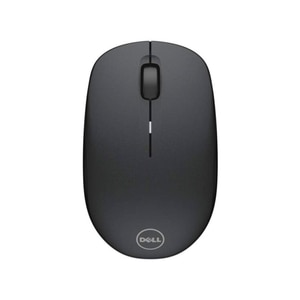
Connectivity can determine how smoothly an engineering student works across different spaces. Multiple USB ports are useful for an external mouse, drawing tablet, flash drive, headset or other accessories, while HDMI or another video connection can simplify presentations and external monitor setups. A dependable wireless connection supports cloud-based collaboration, online instruction and software downloads, but students should also check whether the laptop includes the ports needed for specialized equipment used in labs or design projects. An external monitor can create a more comfortable workstation by placing a model or code window on one screen and documentation, reference material or a video call on another. A cooling pad, ergonomic mouse and compact headset may also complement a high-performance laptop, especially when the computer doubles as a gaming system after coursework is complete. These laptops can be a thoughtful gift for a student beginning an engineering program, transferring to a more advanced course load or preparing for a senior design project, because the same system can support classwork, internships, personal projects and recreation. Before choosing a configuration, match the specifications to the student’s major and software requirements. Mechanical and civil engineering students may prioritize dedicated graphics, screen size and memory for 3D modeling and large assemblies. Electrical engineering students may value processor performance, multiple displays and connectivity for development boards and measurement tools. Computer science students often benefit from a fast multi-core processor, ample memory and storage for programming environments, containers and virtual machines. Students comparing configurations can also explore High Performance Laptops For Students for additional context while narrowing their options. The best choice is a balanced system that provides enough headroom for current classes, remains comfortable to carry and leaves room for more advanced projects as the student’s skills grow.
FAQs:
Engineering students should prioritize a powerful multi-core processor (such as Intel Core i7/i9 or AMD Ryzen 7/9), a dedicated graphics card (like NVIDIA GeForce RTX series), at least 16GB of RAM (32GB recommended for heavy multitasking), and a fast SSD with at least 1TB of storage. A high-resolution display and a comfortable keyboard are also important for both productivity and gaming.
Yes, most modern gaming laptops are well-equipped to run demanding engineering software such as AutoCAD, SolidWorks, MATLAB, and Revit. Their high-performance CPUs and GPUs provide the necessary power for complex simulations, 3D modeling, and data analysis, making them a suitable choice for engineering students.
Absolutely. Gaming laptops are designed to balance high-end performance and versatility, making them ideal for running engineering applications during the day and enjoying gaming or creative projects in the evening. Their advanced hardware ensures smooth multitasking and reliable performance across a range of uses.
Portability can be very important for engineering students who need to carry their laptops between classes, labs, and group study sessions. Lightweight and slim designs make transportation easier, while maintaining the performance needed for demanding software and gaming.
A gaming laptop makes a thoughtful and practical gift for engineering students because it supports both their academic and personal interests. With robust hardware for coursework and the ability to enjoy gaming or multimedia, it’s a versatile tool that can enhance productivity and provide entertainment throughout their studies.