$3405.00
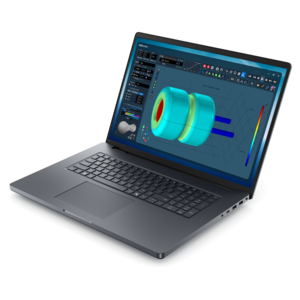
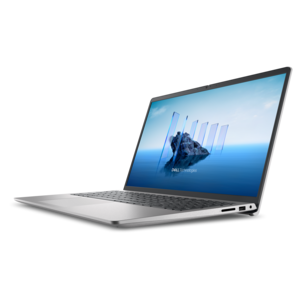
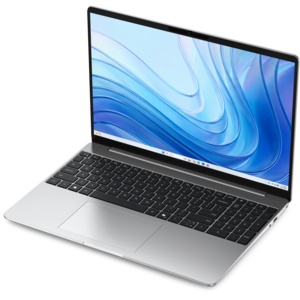
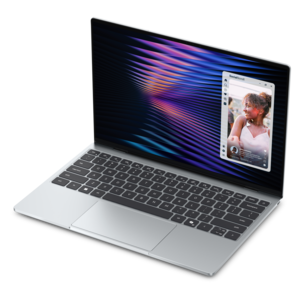
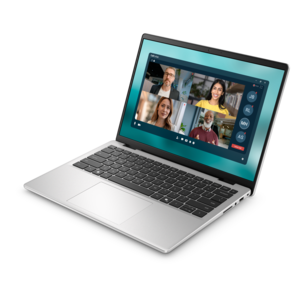
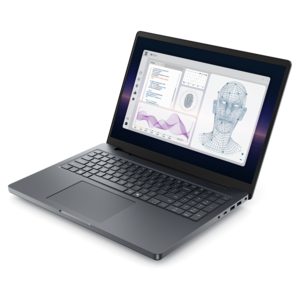
A powerful professional laptop combining exceptional performance, scalability, ease of use, and advanced on-device AI.
Laptops Built for Engineering and Simulation Tasks are designed to meet the demands of complex computations, advanced modeling, and resource-intensive applications. Whether tackling intricate CAD designs, running detailed simulations, or managing large data sets, these laptops provide the performance and reliability needed for engineering professionals and students alike. Explore a range of options that help streamline workflows and boost productivity in any technical environment.
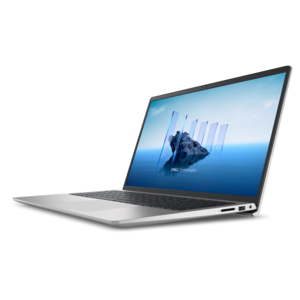
A powerful professional laptop combining exceptional performance, scalability, ease of use, and advanced on-device AI.
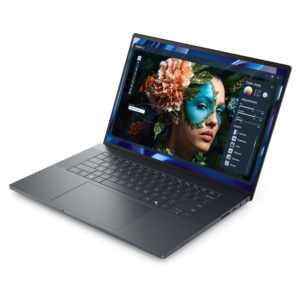
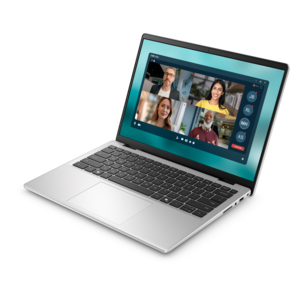
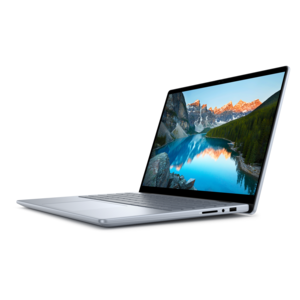
A powerful productivity laptop with scalable performance and advanced on-device AI capabilities.
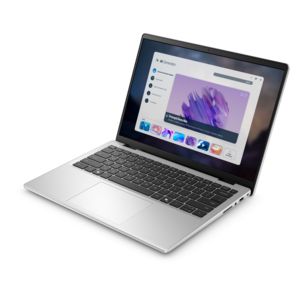
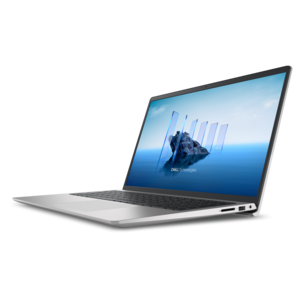
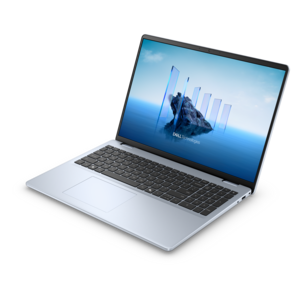
A sleek, lightweight laptop with Intel Core Ultra processors, NVIDIA graphics, and advanced on-device AI.
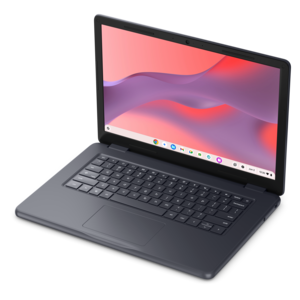
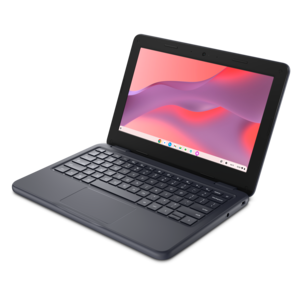
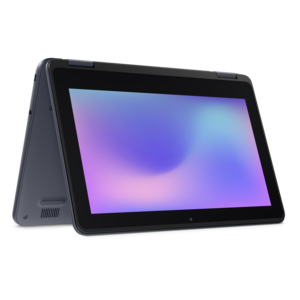
A durable, serviceable Chromebook designed specifically for education environments.
A durable, serviceable Chromebook designed specifically for education environments.
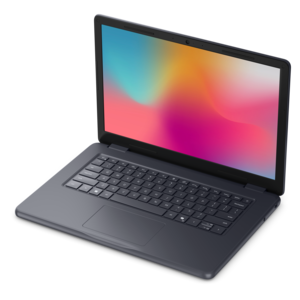
A laptop featuring an FHD camera, enlarged ergonomic keyboard, and AMD Ryzen™ processing.
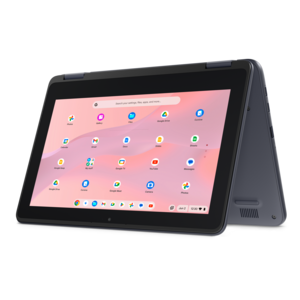
A durable, serviceable laptop or 2-in-1 designed specifically for K-12 learning environments.
A durable, serviceable Chromebook laptop or 2-in-1 designed specifically for K–12 environments.
A laptop featuring Intel® 13th Gen processors, a built-in FHD camera, and an enlarged ergonomic keyboard.
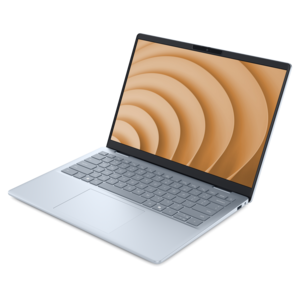
A thin, lightweight laptop crafted from eco-friendly materials with Series 3 Intel Core processors for productivity.
A durable, serviceable laptop or 2-in-1 designed specifically for demanding education environments.
A durable, serviceable laptop designed specifically for demanding education environments.
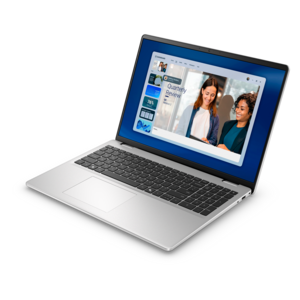
A portable laptop with a sleek design, 16:10 display, and AI PC options for productivity anywhere.
A remarkably thin, lightweight laptop designed for ultimate mobility.
A durable productivity laptop featuring an expansive 16:10 display and convenient numeric keypad.
A sleek, portable laptop with an expansive 16:10 display for reliable productivity anywhere.
A modern laptop with AMD Ryzen™ processors, delivering effortless productivity and captivating entertainment in a design.
A slim, lightweight laptop with Intel® Core™ processors and graphics for productive work anywhere.
A versatile 2-in-1 laptop with multiple modes, Intel Core processors, and DDR5 memory for mobile creativity.
A streamlined gaming laptop powered by AMD Ryzen 200 Series processors and NVIDIA GeForce RTX graphics.
A modern laptop with Intel® Core™ processors and graphics for effortless productivity and captivating entertainment.
A lightweight AI-powered laptop designed for creative professionals and small businesses.
A durable, modular laptop with robust security, a spacious display, and optional built-in AI for workdays.
A sleek laptop with a stylish design, delivering powerful performance for modern multitasking.
For anyone immersed in engineering or simulation work, the demands placed on a laptop are far beyond what’s required for everyday tasks. These machines are built to handle complex computations, heavy modeling, and intricate rendering—whether you’re running advanced CAD software, simulating fluid dynamics, or visualizing large assemblies. Professionals in fields like mechanical engineering, architecture, aerospace, automotive design, and scientific research rely on laptops engineered with high-performance components to ensure accuracy, speed, and reliability. With the pace of innovation in engineering software, a robust laptop is not just a convenience, but a necessity for staying competitive and productive. Students entering engineering programs, seasoned professionals managing critical projects, and teams collaborating across disciplines all benefit from mobile workstations that combine desktop-grade power with the flexibility to work from the office, in the field, or at home.
When considering a laptop for engineering and simulation tasks, several key factors come into play. Processing power is paramount—multi-core CPUs with high clock speeds are essential for running simulations and rendering models efficiently. Dedicated professional graphics cards, often with independent certification for leading engineering applications, deliver smooth viewport performance and accurate visualization. Memory capacity is another crucial consideration; with 32GB as a baseline and 64GB or more recommended for large projects, ample RAM ensures seamless multitasking and prevents slowdowns during intensive computations. Storage solutions, such as high-speed NVMe SSDs, offer rapid access to massive files, reducing load times and boosting workflow efficiency. Thermal management is equally important; advanced cooling systems help maintain consistent performance during extended workloads, especially as projects intensify during the busier seasons when deadlines approach and collaboration peaks. These laptops are also designed with durability in mind, featuring robust builds and comprehensive connectivity options to support a wide range of peripherals and external displays.
A laptop built for engineering and simulation can be a transformative tool, whether it’s a personal investment for career growth, a thoughtful gift for a student starting a demanding academic program, or a strategic addition to a professional team. The right device empowers users to tackle complex challenges, visualize ideas in stunning detail, and bring innovative solutions to life—no matter where their work takes them. For those interested in exploring the full spectrum of specialized options, from high-resolution displays to enterprise-level security features and expandability, visit Professional Workstation Laptops for Engineers and Designers for detailed information and expert recommendations tailored to engineering professionals and designers.
Add the products you would like to compare, and quickly determine which is best for your needs.