Server Rails
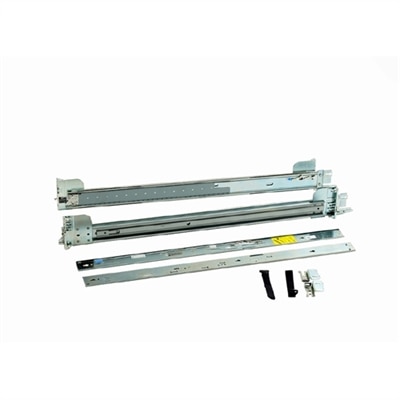
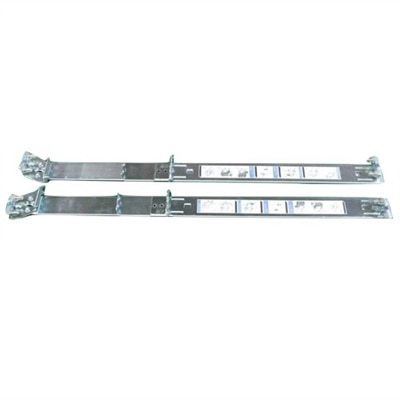
Server rails are essential components for efficiently mounting and securing servers within racks, ensuring optimal organization and accessibility in data centers or IT environments. Designed to support a wide range of server configurations, server rails help streamline installation and maintenance processes while maximizing space utilization. Explore a variety of server rails to find the right fit for your infrastructure needs and keep your systems running smoothly.
This product is not available
Check out the following recommendations.




Server Rails
Mounting rails provide a stable connection between compatible computer equipment and the structure that holds it, helping create an organized workspace without relying on improvised supports. In a desktop setup, the right mounting hardware can make better use of the space around a desk, keep equipment positioned consistently, and leave essential connections accessible. These accessories serve a practical purpose: supporting an approved load in a defined position while allowing the access intended by the equipment manufacturer. Some mounting systems hold equipment in a fixed location, while others incorporate sliding components that permit controlled movement. Neither approach is automatically better; the appropriate choice depends on the equipment, the installation surface, and how often access is needed. A stationary arrangement may suit a workstation that rarely changes, while a compatible sliding assembly can be useful when connections or removable panels would otherwise be difficult to reach. The distinction matters in everyday settings, from a home office with limited floor space to a shared workspace where cables need to remain orderly through frequent changes. Mounting hardware also influences how comfortably a workspace functions. A computer positioned beneath a work surface should not crowd a chair, obstruct a seated user’s knees, or place connectors where they can be struck accidentally. Equipment mounted alongside a desk needs adequate clearance from drawers, nearby furniture, and walking paths. Rails are only one part of that arrangement, but their dimensions and attachment method help determine whether the finished installation feels deliberate or awkward. For anyone comparing rails, brackets, and related support hardware, the most useful starting point is the relationship between the equipment being supported and the structure receiving it. A close visual resemblance is not a substitute for documented compatibility, particularly when the hardware must carry weight or move under load.
Fit involves more than the overall length of a rail. Equipment dimensions, attachment-point locations, fastener specifications, required orientation, and the permitted mounting surface all contribute to whether an assembly will work correctly. Two brackets can appear nearly identical yet differ in a small offset or attachment detail that prevents proper engagement. Manufacturer documentation should establish the intended equipment fit and installation method, including any required adapters or reinforcing components. An adjustable rail offers flexibility only within its stated range; it should not be stretched beyond that range or modified to reach an attachment point. The supporting structure matters just as much. A mounting arrangement intended for a particular desk frame is not necessarily suitable for a thin furniture panel, and fasteners appropriate for one surface may be unsuitable for another. Weight ratings also need to be read in context. A stated capacity may depend on using the complete assembly, placing it in a specified orientation, and securing every required attachment point. Sliding systems introduce additional considerations because moving equipment changes how force acts on the support. The space in front of or beside the installation must accommodate the permitted travel without allowing the equipment to strike a wall, a chair, or another device. Cable length deserves similar attention. A connection that reaches comfortably while equipment is tucked away may become taut when that equipment moves, putting strain on a port or plug. Conversely, excessive loose cable can catch in moving parts or hang into a walkway. A thoughtfully arranged setup leaves enough slack for approved movement while keeping cords clear of edges and mechanisms. Ventilation must remain unobstructed as well: mounting a desktop neatly under a desk offers little benefit if a nearby panel blocks an air intake or traps warm exhaust. Taking the equipment’s full operating footprint into account—including plugs, cable bends, ventilation clearance, and access to controls—produces a more useful fit than measuring the enclosure alone.
Materials, construction, and upkeep influence how mounting rails perform over time. Steel is commonly used where rigidity and strength are important, while aluminum can reduce the weight of compatible support assemblies; material alone, however, does not establish a mounting system’s load capacity. Thickness, shape, reinforcement, attachment design, and manufacturing quality all affect performance. Protective finishes can help resist surface wear and corrosion under the conditions for which the hardware was designed, but indoor mounting accessories should not be assumed suitable for damp or exposed locations. Edges and contact surfaces deserve attention because cables and equipment housings may sit close to them for years. Properly finished edges, correctly seated fasteners, and any specified protective pads help reduce unwanted rubbing or movement. Where a design includes sliding elements, smooth operation depends on correct alignment and use within the stated limits rather than forcing a stiff assembly. A rail that binds, shifts unexpectedly, or no longer holds its intended position warrants inspection according to the manufacturer’s instructions. Routine care is generally straightforward: keep accessible surfaces free of dust, check for loose or missing hardware, and look for deformation, damaged finishes, or signs that cables are being pinched. Cleaning products and lubricants should be used only as directed, since an unsuitable treatment can affect finishes or components. Rechecking the installation is particularly worthwhile after moving a desk, rearranging a workspace, or replacing the equipment being supported. A new desktop may occupy a similar amount of space while having a different weight distribution, mounting pattern, or ventilation layout. For home-office users, workplace support teams, and people furnishing a dedicated study area, durable mounting hardware is most valuable when it stays unobtrusive: equipment remains secure, routine connections remain reachable, and the surrounding space stays comfortable to use. These are compatibility-dependent accessories rather than easy surprise gifts, so an exact understanding of the recipient’s equipment and intended installation is important. The strongest long-term choice is a complete, documented mounting arrangement that suits the workspace as it actually functions, with enough clearance for daily use and no reliance on improvised attachments.
FAQs:
Server rails are designed to securely mount and slide compatible rack-mountable equipment, such as servers and storage devices, into standard server racks. They allow for easy installation, removal, and servicing of devices within the rack.
Many server rails are designed to fit standard EIA-310 racks, but compatibility may depend on the specific model and form factor of your equipment. Always check the product specifications for compatibility with your rack and device.
Some server rails feature tool-less installation mechanisms, allowing you to mount equipment quickly and easily. However, certain models may require basic tools for secure attachment. Refer to the installation guide for details.
Yes, server rails are designed to slide equipment out for easy access, which can support hot-swappable maintenance on compatible devices. This allows you to service or replace hardware without fully removing it from the rack.
Server rails are commonly constructed from durable metals such as steel or aluminum, providing the strength and stability needed to support heavy equipment within a rack environment.