Space Saving Server Racks
Space-saving server racks are the ideal solution for maximizing efficiency in environments where floor space is at a premium. Designed to help organize and streamline your IT infrastructure, these racks make it easier to keep your equipment secure and accessible while maintaining a tidy workspace. Whether you’re setting up a data center, office, or home lab, space-saving server racks offer a practical approach to optimizing your setup without compromising on performance or organization. Explore options that fit seamlessly into your available space and support the growth of your technology needs.
This product is not available
Check out the following recommendations.



Space Saving Server Racks
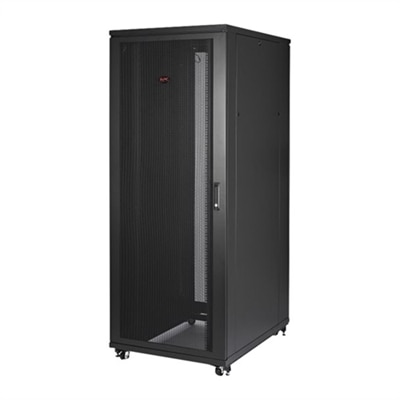
Space-saving racks provide a practical way to organize computing hardware when floor area is limited. Instead of allowing equipment to spread across a desk, closet shelf or crowded workroom, a compact rack keeps compatible components arranged in a predictable vertical layout. Wall-mounted designs are especially useful in small offices, home workspaces, classrooms, retail counters and utility rooms where every inch of floor space matters. Some mount flush against a wall, while others can be positioned vertically beside a desk or in a narrow doorway. Open-frame designs leave more room around equipment for airflow and make it easier to reach cables, while enclosed cabinets can provide additional protection from dust, accidental contact and everyday activity. When comparing options, begin with the equipment that needs to be installed and measure its full height, width and depth, including power connections, cable bends and any handles that extend beyond the chassis. Rack height is commonly described in “U,” with each unit representing a standard vertical increment, but usable space can vary depending on shelves, rails and mounting hardware. A compact rack may suit a small collection of components, while a taller format such as 24U Server Racks can provide room for additional equipment and future expansion. Checking the available mounting depth is just as important as checking height. Shallow racks work well for compact hardware, mini PCs and other low-profile devices, but full-depth equipment may require a deeper frame and additional clearance behind it. A quick sketch of the wall, floor or cabinet area can help reveal obstacles such as baseboards, door swings, electrical outlets and ventilation grilles before installation begins.
The best rack style depends on how the space is used and how often the equipment needs to be accessed. A vertical wall mount can clear a busy floor and keep hardware above ground level, which is helpful in a home office where a rolling chair, storage bins or pets might otherwise come close to exposed components. Before mounting one, confirm that the wall structure can support the combined weight of the rack, equipment, cables and power accessories. Fastening into suitable studs or using hardware rated for the wall material creates a more secure installation than relying on a single light-duty anchor. A shallow open frame is often a good fit for a workbench, studio or small office because it offers convenient access from multiple sides and makes visual inspection straightforward. Foldable or hinged designs can be useful where rear access is limited, allowing the frame to move away from the wall when cables need to be changed. Desktop and mini modular racks bring the same organized approach to smaller setups, including compact computers, test equipment and accessories that might otherwise become tangled across a tabletop. For a clean installation, leave enough separation between components for air to move and avoid pressing the rear of the rack directly against a wall. Cooling needs vary by hardware, but tight spacing, blocked vents and bundled cables can all make it harder for warm air to escape. Open-frame models may be preferable in a well-maintained room, while an enclosed model with ventilation openings can provide a neater appearance where dust control and physical protection are higher priorities. A rack is also a useful choice for anyone building a dedicated home lab, setting up a small creative studio, organizing a shared workspace or making a growing collection of computers easier to maintain.
Cable management, power access and day-to-day maintenance deserve attention before choosing a compact rack. A space-saving installation should reduce clutter rather than simply move it behind a panel. Look for practical routing openings, removable covers or side access that allow power and display cables to follow a clear path without sharp bends. Keep cable length in mind: extra slack is helpful for servicing equipment, but large coils can crowd a shallow enclosure and interfere with airflow. Shelves and rails should match the mounting style of the hardware, and the rack’s weight rating should exceed the combined load with a comfortable margin. If equipment includes sliding components or frequently accessed ports, verify that the frame offers enough front and rear clearance for safe movement. A locking door or side panel can add peace of mind in a shared office, reception area or classroom, while an open frame may be easier to inspect in a private workspace. Noise is another consideration for a desk-adjacent installation; placing louder equipment farther from seating areas or choosing a location with natural separation can make long work sessions more comfortable. Measure twice before drilling, allow room for ventilation, and plan how the rack will be cleaned once it is installed. During the cooler months, compact racks can help keep a home office or workshop orderly when windows stay closed and rooms become more crowded with everyday belongings; as the weather changes, the same organized layout makes it easier to inspect dust buildup, check connections and adjust the setup. Whether the goal is to reclaim a narrow corner, create a tidy equipment station or leave room for future additions, a well-sized rack turns unused vertical space into a dependable part of the workspace.
FAQs:
A space saving server rack helps keep your workspace organized by consolidating your devices, cables, and accessories into a single, compact unit. This improves airflow around electronics, reduces clutter, and allows for easier access and maintenance, making your home office more productive and visually appealing.
Space saving server racks are ideal for small business owners, remote workers, students, gamers, and tech enthusiasts. Anyone looking to organize their electronics, manage peripherals, or create a streamlined and efficient workspace will find these racks especially useful.
Many space saving server racks are designed with built-in cable management systems, such as hooks, channels, or tie-down points. These features help prevent tangling, keep cables out of sight, and make it easier to identify and access connections when updating or troubleshooting equipment.
Yes, space saving server racks are perfect for multi-purpose rooms where maximizing available space is essential. Their compact design allows them to fit seamlessly into shared environments, such as living rooms, bedrooms, or creative studios, without overwhelming the space.
Absolutely. During spring cleaning or any seasonal refresh, a space saving server rack can help you declutter and reorganize your technology setup. By providing a dedicated space for your devices and accessories, it simplifies the process of maintaining a tidy and efficient workspace throughout the year.