Video Connectivity
Unlock the full potential of your home entertainment and office setups with our comprehensive range of video connectivity solutions. Whether you're looking to enhance your streaming experience, connect multiple devices seamlessly, or ensure high-quality video output, our selection caters to all your needs. From HDMI cables and adapters to advanced wireless options, explore the possibilities that video connectivity brings to both personal and professional environments. Elevate your viewing experience and stay connected with the latest tools designed for superior performance and reliability.
This product is not available
Check out the following recommendations.


Video Connectivity
Video connectivity brings the picture and sound from one device to another through the right combination of ports, cables, adapters and signal standards. In everyday use, that may mean connecting a laptop to a monitor for a larger workspace, sending a presentation from a desktop computer to a projector, or linking a game console with a television for a more immersive experience. The connection you choose affects more than whether an image appears on screen. It can influence resolution, refresh rate, color depth, audio support, display stability and the features available across the entire setup. HDMI is widely used for televisions, monitors, projectors and game systems because it can carry high-definition or ultra-high-definition video together with multichannel audio through one cable. DisplayPort is common with computers and monitors, particularly when a higher refresh rate, greater resolution or multiple-display arrangement is important. Older equipment may use DVI, which carries digital video but generally does not include embedded audio, or VGA, an analog format that remains useful when working with legacy computers and projectors. For older displays and equipment, VGA Connections may help identify the appropriate connection type before you choose an adapter or cable.
Start by checking the ports on both devices rather than relying on appearance alone. A cable must match the physical connector at each end, but compatibility also depends on what those ports support. An HDMI connection may handle different levels of resolution and refresh rate depending on the devices and cable specification. DisplayPort connections can vary in their support for high-resolution output, high refresh rates and multi-monitor features. DVI and VGA may be suitable for a basic office display or an older projector, but they can be limiting when you need sharp text, modern color formats, audio transmission or smooth motion. Computers with USB-C ports require particular attention because the same connector can support charging, data transfer, video output or only some of these functions. An adapter can change the shape of a connector, but it cannot always add capabilities that the source device does not provide. Before purchasing, compare the output capabilities of the computer or media source with the input requirements of the display, then confirm the desired resolution, refresh rate and audio path. This small amount of planning can prevent the familiar frustration of arriving at a meeting, plugging everything in and finding a blank screen or silent presentation. Cable length matters as well. A short cable can keep a desk tidy and reduce clutter, while a longer run may be necessary for a wall-mounted display or conference-room setup. As distance increases, signal quality and cable construction become more important, especially with high-resolution video. Avoid sharply bending cables, placing them under heavy furniture or routing them beside sources of electrical interference, and leave enough slack to move a laptop without pulling on the connector.
Video connectivity accessories are useful for a wide range of people. Students can use them to connect a laptop to a larger display for research, creative projects or remote learning. Home-office workers may use a second monitor to keep a video meeting, calendar or reference document visible while completing other tasks. Designers, photographers, video editors and gamers often pay closer attention to refresh rate, color support and resolution because the display needs to keep pace with detailed work or fast-moving scenes. Families may use a cable or adapter to share photos and videos on a television, while presenters can keep a compact connection accessory in a laptop bag for unfamiliar meeting rooms. These items can also make practical gifts for someone setting up a first desk, refreshing a home entertainment area or organizing a more flexible study space. A thoughtfully chosen cable is especially helpful when it solves a specific problem: connecting a newer computer to an existing monitor, adding a display to a compact workspace or replacing a worn cable that has begun to loosen at the port. Look for secure connectors, durable strain relief and a length suited to the room instead of choosing based only on appearance. If audio is important, verify that the selected connection carries sound or plan for a separate audio path. If you are using an adapter, check whether it supports one-way conversion or two-way use, whether it requires external power and whether it can deliver the resolution and refresh rate you expect. A reliable connection should fit naturally into the way you work: one clean path from source to display, a stable image when the desk shifts or the room gets busy, and enough flexibility for future equipment changes. With the right match between ports, standards and performance requirements, video connectivity can turn a collection of separate devices into a comfortable, capable workspace or entertainment setup.
FAQs:
Video connectivity products are ideal for connecting laptops, desktops, monitors, projectors, and TVs. They help bridge compatibility gaps between older and newer devices, making it easy to expand workspaces, set up dual monitors, or connect to external displays for presentations and entertainment.
Start by checking the available ports on your devices, such as HDMI, VGA, DVI, or mini DisplayPort. Select a cable or adapter that matches these ports or provides the necessary conversion, like dvi to hdmi or mini DisplayPort to HDMI, to ensure seamless connectivity and optimal display quality.
Yes, many video connectivity solutions support multi-monitor setups. By using the appropriate cables or adapters, you can extend or duplicate your desktop across multiple screens, which is especially useful for productivity tasks, creative work, or immersive gaming experiences.
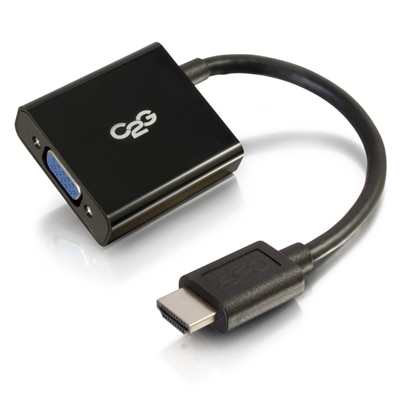
Absolutely. Adapters and cables are available to connect devices with newer outputs, such as HDMI or USB-C, to monitors that feature a VGA port. For additional guidance, you can explore resources like VGA Connections for compatible solutions.
Upgrading your video connectivity setup can enhance visual clarity, support higher resolutions, and improve workflow efficiency. As spring brings opportunities for renewal, investing in the right cables and adapters ensures your devices work seamlessly together, whether you're working from home, studying, or enjoying entertainment with friends and family.