Wired Network Security
In today's digital landscape, safeguarding your network is more crucial than ever, and wired network security stands as a cornerstone for protecting sensitive data and maintaining seamless connectivity. As businesses and individuals alike strive to fortify their networks against potential threats, investing in robust wired security solutions becomes essential. Explore a range of cutting-edge technologies designed to enhance the integrity of your wired connections, ensuring that your network remains resilient and secure. Discover how these solutions can provide peace of mind by offering reliable protection and optimal performance for both personal and professional environments.
This product is not available
Check out the following recommendations.
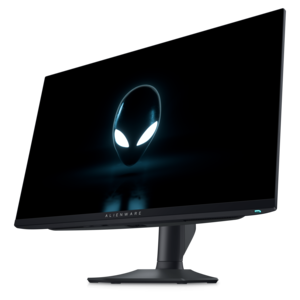



Wired Network Security
Wired network security brings together controlled physical access, authenticated connections, and protection for the computers people use every day. An Ethernet connection carries traffic over a physical cable rather than transmitting it through the air, but that difference does not make a connected computer automatically secure. Unauthorized access, compromised accounts, malicious software, and exposed connections can still put information at risk. For laptops and desktops used on a wired connection, security depends on several layers working together: supported operating systems, current firmware, device authentication, appropriate account permissions, and protection for sensitive information. These considerations matter in a home office handling financial records, a reception area displaying customer appointments, or a shared workspace where different employees use the same desk throughout the day. The intended use helps shape what matters most. A computer that stays at an assigned workstation has different physical requirements from a laptop carried between meeting rooms and an office desk. A stationary setup benefits from thoughtful placement and a compatible physical lock, while a frequently moved laptop needs a durable enclosure, dependable connections, and security settings that remain effective away from the desk. Neither setup should rely on its wired connection as a substitute for software protections. Built-in firewall capabilities, supported security updates, and encrypted connections to applications remain important whether a computer connects by cable or wirelessly. For households, independent professionals, and business teams, a useful starting point is the relationship between the device, its user, and the information being accessed. A laptop used for confidential client work may need stronger identity verification and centrally managed settings than a desktop used for routine browsing. Product descriptions that clearly explain operating system support, authentication capabilities, and physical security compatibility help make those differences easier to evaluate. The aim is a practical workspace where reliable connectivity supports everyday tasks without leaving protection dependent on a single feature or on everyone remembering to take extra precautions.
Compatibility is especially important when selecting laptops and desktops for an environment with established wired network security requirements. An Ethernet connection alone does not confirm that a computer can meet an organization’s access policies. IEEE 802.1X, for example, is a standard used to authenticate a device or user before granting network access; support depends on the operating system, configuration, and the surrounding environment. Where certificate-based authentication is required, the ability to deploy and manage those certificates can matter as much as the physical connection. Similarly, an organization may check whether a computer has current updates or required protection before allowing it to reach business resources. These are capabilities to confirm against workplace requirements, not assumptions to make from a connector or a general security description. Hardware-backed protection for credentials, secure startup features, and support for device encryption can contribute to endpoint security when properly configured. Device encryption helps protect information on a lost or stolen computer, while encryption in transit helps protect information as it moves between that computer and an application or service. The two serve different purposes, and neither replaces access controls. Separate user accounts and limited administrative permissions also help reduce unnecessary exposure on shared computers. In an accounting office, for instance, a staff member may need access to billing applications without needing permission to change system-wide settings. In a collaborative studio, a visiting contractor may need a defined set of project resources rather than broad access to everything the team uses. Network segmentation can support that separation, although its effectiveness depends on the policies governing traffic between groups. For broader context on connected workplace protection, Secure Business Networks connects naturally with these endpoint considerations. The most useful comparisons distinguish security features included with a device from capabilities that require configuration, compatible software, or ongoing administration. That distinction helps keep expectations grounded in how the computer will actually be used and maintained.
Physical fit, construction, and everyday care also influence how well a wired workspace holds up over time. A laptop that is repeatedly connected and disconnected needs enough room around its ports for comfortable access without forcing plugs against a wall or bending connections sharply. A desktop positioned beneath a desk needs ventilation and protection from accidental kicks, spills, and cleaning equipment, while one placed on a counter may need stronger attention to physical access. Metal and reinforced polymer enclosures offer different combinations of weight, rigidity, and portability, but enclosure material alone does not establish durability or security. Hinge construction, port placement, serviceability, and manufacturer care recommendations provide more useful context for daily handling. Connection points should remain free of debris, and cleaning should follow the device’s instructions rather than involve spraying liquid directly into openings. A physical lock can help deter opportunistic theft when used with a compatible attachment point, but it does not prevent someone from using an unlocked session or viewing information on a screen. Automatic screen locking, individual sign-ins, and sensible display placement address those separate concerns. At a front desk, a monitor angled away from the waiting area can reduce casual viewing of customer details; in a shared home office, a separate account can keep work activity apart from household use. Compatible privacy accessories may help limit side-angle viewing, though they do not replace careful handling of confidential information. Long-term suitability also includes a clear path for operating system and firmware updates, manageable repair needs, and enough performance for the applications that will run alongside security software. A computer that becomes frustratingly slow under its normal workload can encourage inconvenient workarounds, making usability a meaningful part of the selection process. For remote employees, small offices, and larger teams, the strongest fit is not simply the device with the longest feature list. It is a laptop or desktop whose construction, authentication support, maintenance needs, and everyday performance match the setting, with wired connectivity treated as one component of a broader approach to protecting access and information.
FAQs:
Wired network security hardware offers enhanced protection by limiting network access to physically connected devices, reducing the risk of unauthorized entry and eavesdropping. It also provides more stable and faster connections, making it ideal for environments where reliability and data privacy are top priorities.
Port security helps control which devices can connect to your network by allowing only specific, authorized MAC addresses on each port. This prevents unauthorized devices from gaining access, ensuring that only trusted users can communicate over the network.
Wired firewall solutions are beneficial for small businesses, home offices, and anyone handling sensitive data. They provide an additional layer of defense by monitoring and filtering incoming and outgoing network traffic, helping to block unauthorized access and potential threats.
Network segmentation, often implemented through VLANs, isolates sensitive devices and data from less secure areas of the network. This reduces the risk of internal threats and limits the spread of potential breaches, making it easier to manage and secure critical information.
Most wired network security solutions are designed for compatibility and can be integrated into existing network infrastructures with minimal disruption. Managed switches, firewalls, and access control devices typically support standard protocols, allowing for seamless upgrades and enhanced protection.