Wireless Access Points For Schools
Wireless access points for schools are essential for creating a reliable and efficient network environment that supports students, teachers, and administrative staff. With the increasing use of digital learning tools and connected devices in classrooms, having robust wireless connectivity ensures seamless access to online resources and collaborative platforms. Explore options designed to help educational institutions enhance connectivity, improve classroom engagement, and support a modern learning experience with wireless access points for schools.
This product is not available
Check out the following recommendations.




Wireless Access Points For Schools
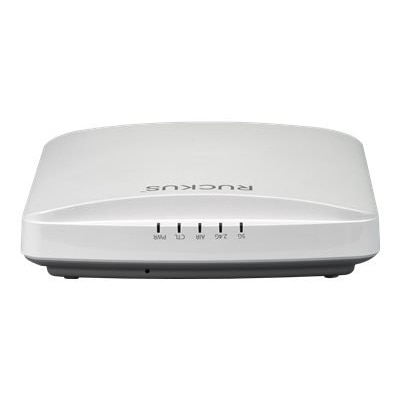
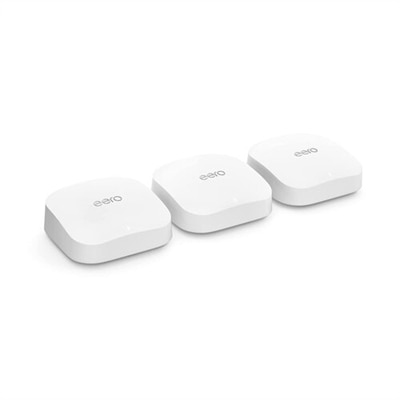
Wireless access points for schools help create dependable Wi-Fi coverage in classrooms, libraries, laboratories, offices, cafeterias, auditoriums, and outdoor learning areas. Unlike a home environment where a small number of devices may connect at once, a school can have hundreds or thousands of laptops, tablets, phones, interactive displays, printers, and other connected devices active throughout the day. A well-planned access point installation helps students participate in digital lessons, gives teachers reliable access to classroom resources, and supports administrative work without uneven coverage or frequent interruptions. When comparing options, consider the number of users and devices expected in each area, the size and layout of the building, and the activities taking place there. A quiet office and a busy lecture hall have very different wireless demands. Video instruction, cloud-based assignments, testing platforms, video calls, and large file transfers can place a substantial load on an access point, especially when many students begin using them simultaneously. Models designed for high-density environments can help maintain a more consistent experience during those familiar moments when an entire class opens an online lesson at once. Schools may also want to review supported Wi-Fi standards, radio bands, throughput, capacity, security features, and management tools. Newer wireless standards can improve efficiency with compatible devices, while dual-band or tri-band operation can help distribute traffic across available frequencies. A product’s advertised maximum speed is only one part of the decision; real-world performance also depends on building materials, distance, interference, connected devices, and the quality of the broader installation. For additional ideas related to workplace connectivity, browse Office Wireless Access Points.
Coverage planning is especially important in schools with thick brick, concrete, cinder block, plaster, metal framing, or other materials that can weaken wireless signals. A single access point may cover an open common area effectively but struggle to reach rooms separated by dense walls, long corridors, or multiple floors. Rather than selecting equipment based only on square footage, schools should consider where people gather, how many devices are used in each space, and whether students move between rooms during the day. A classroom-by-classroom layout may be appropriate for a one-to-one learning program, while a smaller installation could work in buildings with open floor plans and lighter device use. Too few access points can create crowded coverage areas and slow performance; too many can increase interference if channels and power levels are not planned carefully. Ceiling or high-wall placement often provides a clearer signal path, although the best position depends on the room design and cabling available. Power over Ethernet can simplify installation by delivering power through the Ethernet cable, reducing the need for a nearby electrical outlet and helping keep equipment neatly positioned above ceilings or along hallways. Before purchasing, confirm that the school’s existing cabling and power delivery infrastructure can support the selected access points, including any required speed or power specifications. It is also useful to check mounting options, warranty coverage, firmware support, environmental ratings for semi-outdoor areas, and whether the management system can oversee multiple buildings from one location. Cloud-managed tools may help district staff configure settings, monitor performance, apply updates, and troubleshoot without visiting every classroom, while locally managed options may suit schools that prefer to keep administration within their own facilities.
Security and organization should be part of the selection process from the beginning. Schools commonly create separate wireless networks, or SSIDs, for students, teachers, administrative staff, visitors, and specialized devices. Separating these groups can help protect sensitive information, limit access to internal resources, and make it easier to apply different policies to different users. Guest access can be configured so visitors receive internet connectivity without gaining access to school records or staff resources. Support for modern encryption, authentication, role-based access, content controls, and automatic security updates can further strengthen the environment. Districts should also consider how the access points will work with existing laptops, desktops, monitors, tablets, classroom displays, and accessories, since a smooth experience depends on the entire collection of devices rather than one component alone. A school technology coordinator may prioritize centralized visibility and simple provisioning, while a small private school may place greater emphasis on straightforward setup and predictable administration. Facilities teams may focus on ceiling mounts, cable runs, heat, dust, and access for maintenance; teachers may notice whether a lesson loads promptly from the back corner of a classroom; students may experience the result as the difference between a smooth assignment and a stalled screen. Reviewing device counts, building materials, classroom schedules, peak usage, future enrollment, and available technical support can help schools choose access points that remain useful as digital learning expands. With thoughtful placement, appropriate capacity, separate user access, and reliable power, wireless access points can form a practical foundation for everyday instruction and school operations across changing academic seasons.
FAQs:
Schools should prioritize wireless access points that support the latest Wi-Fi standards such as Wi-Fi 6 or Wi-Fi 6E for faster speeds and greater capacity. Features like cloud-based management, robust security protocols, Power over Ethernet (PoE+) compatibility, and the ability to handle high device densities are also important for seamless, secure, and scalable connectivity.
Wireless access points enable reliable, high-speed internet access throughout school facilities, supporting digital learning tools, video streaming, and real-time collaboration. This connectivity empowers students and teachers to access online resources, participate in interactive lessons, and utilize educational technology without interruption.
Yes, many wireless access points are designed with weatherproof features to extend Wi-Fi coverage to outdoor areas such as playgrounds, courtyards, or sports fields, allowing students and staff to stay connected during outdoor activities and events.
Network segmentation allows schools to create separate networks (SSIDs) for different user groups such as students, staff, and guests. This helps manage bandwidth allocation, enhances security, and ensures that sensitive information is protected from unauthorized access.
Cloud-based management enables IT administrators to monitor, configure, and troubleshoot wireless networks remotely and in real time. This centralized approach simplifies network maintenance, allows for quick adjustments as needs change, and minimizes downtime across the school campus.