$795.00
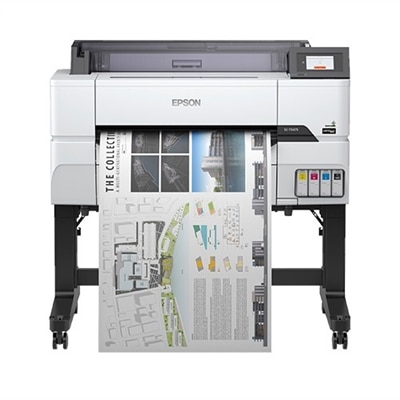
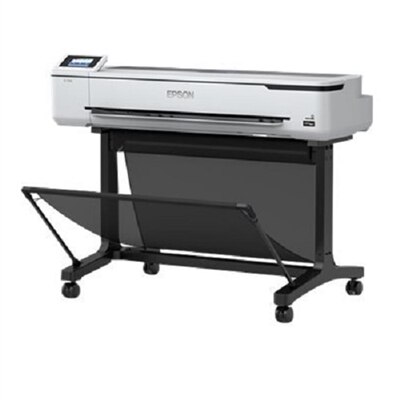
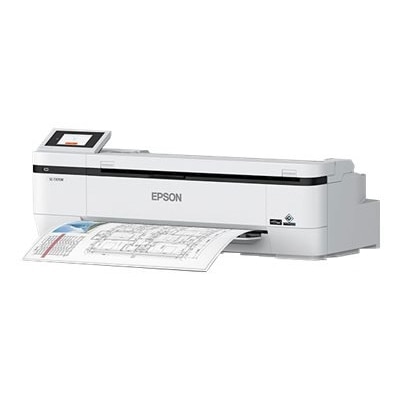
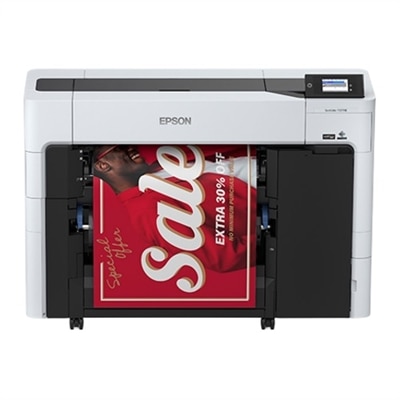
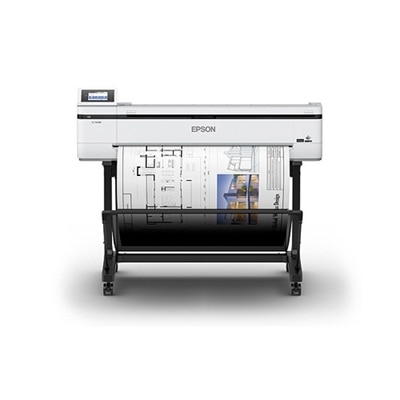
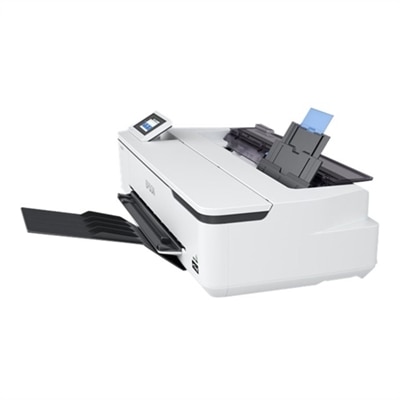
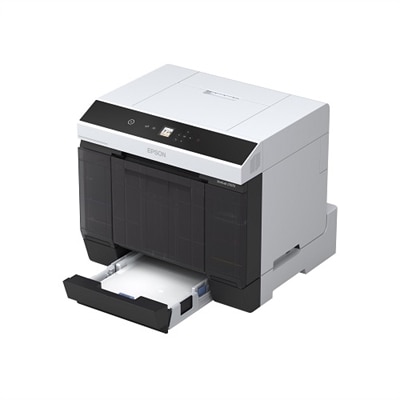
An affordable, compact 24-inch inkjet printer with wireless connectivity and a 4.3" color touchscreen.
Commercial art printers are essential tools for businesses and creative professionals looking to produce high-quality visuals, marketing materials, and detailed artwork. Whether outfitting a design studio or upgrading office capabilities, commercial art printers deliver the performance needed for vibrant prints and precise results. Explore a wide selection of options designed to support demanding print environments and bring your creative projects to life.
An affordable, compact 24-inch inkjet printer with wireless connectivity and a 4.3" color touchscreen.
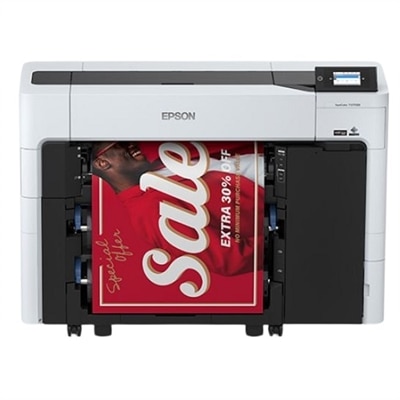
A compact 24" inkjet printer delivering vibrant, precise prints with advanced security and a color touchscreen.
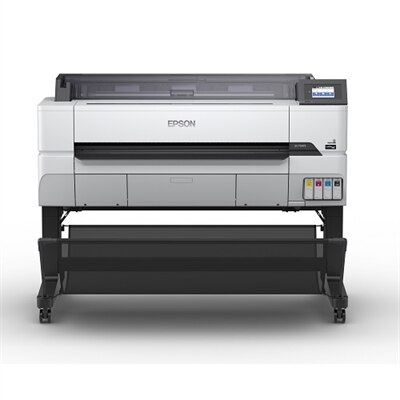
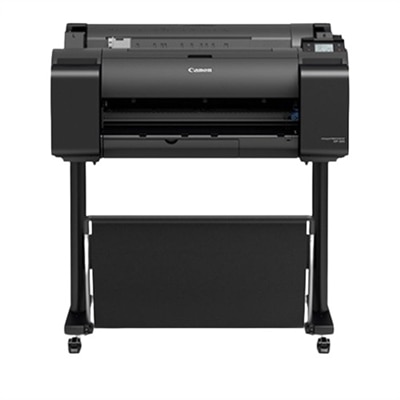
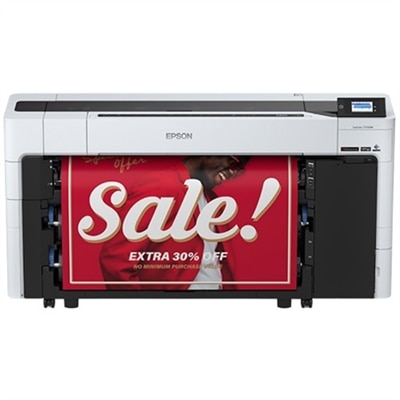
A compact, high-speed inkjet printer offering vibrant, precise 36" prints with wireless connectivity and touchscreen.
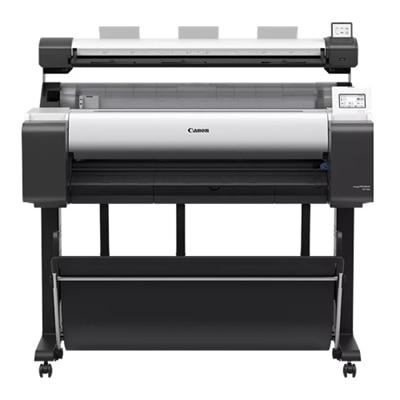
A sleek 24" wide multifunction printer with integrated scanner, ideal for CAD and corporate graphics.
A 36" wide-format inkjet printer with vibrant UltraChrome XD2 inks and advanced security features.
An innovative large format printer delivering vibrant, precise prints with versatile media compatibility and connectivity.
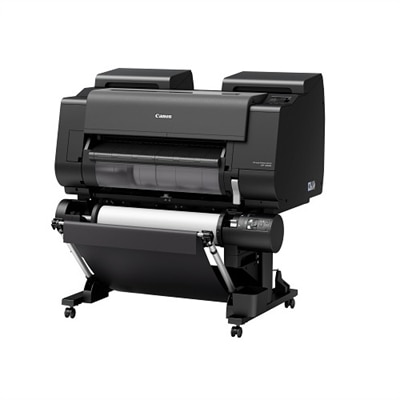
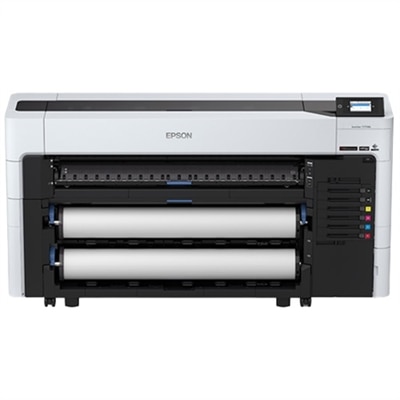
A high-speed, floor-standing color inkjet printer with touchscreen, dual-roll support, and vibrant six-ink output.
A large format inkjet printer with fluorescent pink ink, touchscreen, and borderless printing for vivid posters.
An innovative large format printer with six-ink set, including dedicated Red Ink, for exceptional color quality.
A sleek, multifunctional large format printer with integrated scanner, ideal for CAD and corporate graphics.
A large format inkjet printer with fluorescent pink ink, touchscreen, and borderless printing for vivid posters.
A floor-standing large format printer featuring fluorescent pink ink, touchscreen controls, and vibrant color reproduction.
An innovative large format printer with a 36" print width, dual-light scanner, and vibrant color output.
An innovative large-format printer with a 44" print width, integrated scanner, and vibrant color output.
A sleek desktop printer with a 1.4" display, delivering vibrant, high-speed dye sublimation photo prints.
An innovative 11-color large-format printer delivering exceptional graphics with touchscreen controls and broad OS compatibility.
A 44-inch large-format printer with PrecisionCore technology, vibrant UltraChrome XD3 Ink, and dual roll system.
An innovative inkjet printer with UltraChrome PRO6 Ink delivers vibrant, detailed prints and seamless dual-roll productivity.
A floor-standing color inkjet printer with vivid magenta ink, flat-body design, and intuitive 4.3" touchscreen.
A floor-standing color inkjet printer with 36" print width, touchscreen interface, and enhanced color calibration.
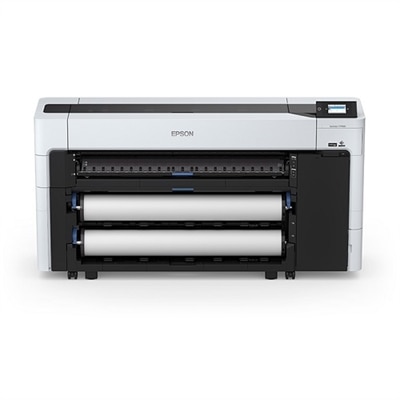
A high-speed, dual-roll large-format printer with a 1.6 L ink system and vibrant six-color output.
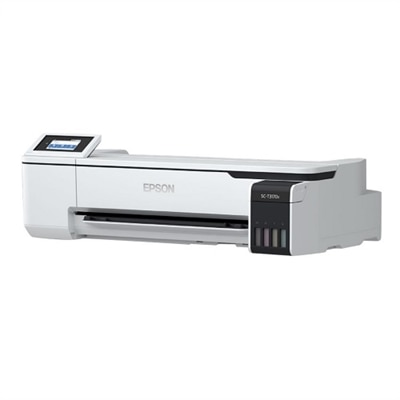
A cartridge-free, 24" wide-format printer with refillable ink tanks and wireless connectivity for efficient printing.
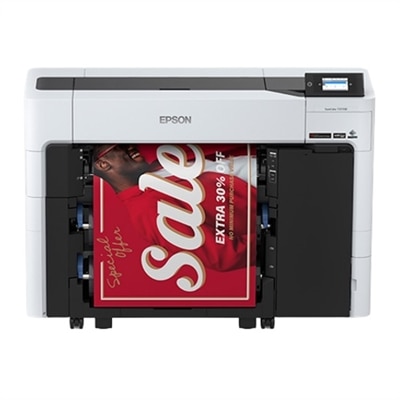
A compact 24" inkjet printer offering fast, precise printing with vibrant UltraChrome XD2 pigment inks.
An advanced desktop printer offering high-speed, double-sided photo printing with vibrant UltraChrome D6r-S Ink.
Commercial art printers are designed for studios, agencies, print shops, photographers, architects, retailers, educators and in-house creative teams that need more than an everyday office printer can provide. These large-format inkjet systems produce detailed artwork, photographic enlargements, posters, proofs, signage and presentation graphics on media much wider than standard letter or legal paper. A typical professional model may support print widths from approximately 24 inches to 64 inches, giving users flexibility to create everything from portfolio pieces and gallery-ready prints to retail displays and event graphics. When comparing commercial art printers, start with the largest finished size you expect to produce, then consider how often that size will be used. A 24-inch printer can be a practical fit for a compact design studio or photography workspace, while a 44-inch or wider model may be better suited to a production environment handling wall art, exhibition graphics or oversized advertising materials. Maximum resolution is another important consideration. Many professional printers offer resolutions up to 2400 x 1200 dpi, helping preserve fine linework, small lettering, subtle texture and crisp edges. High resolution is especially valuable when an image will be viewed close up, such as a photographic print, art reproduction or architectural presentation. Color performance matters just as much. Multiple individual ink tanks, often ranging from six to twelve cartridges, can provide a broad color gamut, smoother gradients and more controlled transitions in areas such as skies, skin tones, shadows and painted backgrounds. Pigment-based inks are commonly selected for professional artwork because they can deliver strong detail and long-lasting color on suitable media, while specialized black-ink configurations can improve density in both matte and glossy prints. For a creative team preparing client proofs, consistent color can reduce revisions and help a printed sample serve as a more reliable reference for the finished project.
Media handling can shape the daily experience as much as image quality. Commercial art printers may accept both roll media and cut sheets, allowing users to move between long banners, panoramic photography, mounted-art proofs, posters and smaller samples without relying on separate equipment. Look for support for the materials used most often, including fine-art paper, photographic paper, canvas, coated paper, film and compatible vinyl. Each surface changes the appearance of ink: a matte stock can create a soft, tactile finish with reduced glare, glossy paper can emphasize contrast and color saturation, and canvas can give artwork the texture and presence of a gallery piece. Automatic roll loading, built-in cutters and dual-roll capabilities can help reduce manual handling when a studio moves through several jobs in a day. A rotary cutter may create clean, consistent edges, while automatic roll switching can make it easier to keep different media types ready for production. Paper capacity, roll diameter, drying behavior and the ease of changing ink cartridges are also worth reviewing before purchase. In a busy print room, small workflow details become noticeable quickly; a printer that makes loading straightforward and keeps media aligned can save time across dozens of projects. Connectivity and software compatibility deserve attention as well. Many commercial users send files from design, photography or publishing applications, so support for common file formats, color-management workflows and professional print utilities can help maintain predictable results from screen to paper. A clear control panel, job queue management and accessible maintenance tools are useful when several people share one printer. Some systems include internal storage for handling large files and repeat jobs, while network connectivity can let authorized users print from workstations throughout a studio or office. Confirm the available connections, operating-system support and recommended workspace before installation, and allow room for the printer, media rolls, ventilation and finished prints to be handled without crowding.
The right commercial art printer depends on the balance between image quality, finished size, media variety, production volume and available workspace. A photographer may prioritize smooth tonal transitions, accurate skin tones and dependable results on glossy or fine-art paper. An illustrator or graphic designer may place greater emphasis on sharp lines, saturated colors and the ability to proof work on multiple surfaces. An architectural or engineering practice may need precise line rendering and oversized drawings, while a marketing department may value fast output for posters, window graphics and branded displays. Art schools, universities and community studios can use these printers to help students turn digital work into tangible portfolios, exhibition pieces and classroom presentations. Small businesses may use them to produce visual merchandising materials internally, reducing the need to outsource every large print job. During the warmer part of the year and through the cooler months, these systems can support changing displays, seasonal exhibits, educational projects and refreshed storefront graphics without changing the fundamental workflow. Before choosing, estimate the average number of prints per week, the largest regular print dimension and the proportion of roll versus sheet work. Check the cost and availability of replacement ink, the expected maintenance schedule and whether the printer includes tools for calibration or nozzle checks. It is also wise to compare the footprint, operating noise and power requirements with the intended room. A model that fits comfortably near a design workstation may be more practical than one that requires a separate production area. For shoppers comparing options across professional printing categories, exploring Large Format Graphic Printers can provide additional context on wide-format capabilities and use cases. With the right combination of print width, resolution, color channels, media support and workflow features, commercial art printers can help transform digital concepts into polished, physical work that is ready for a client review, classroom wall, gallery display, retail environment or professional portfolio.
Add the products you would like to compare, and quickly determine which is best for your needs.