High Speed Flatbed Scanners
High speed flatbed scanners are designed for those who need efficient, reliable scanning solutions for documents, photos, and more. Perfect for both professional and personal use, these scanners offer a streamlined way to digitize your important materials with ease. Explore a selection of high speed flatbed scanners that help boost productivity and simplify your workflow, making it easier than ever to manage your digital files.
This product is not available
Check out the following recommendations.
Related Products
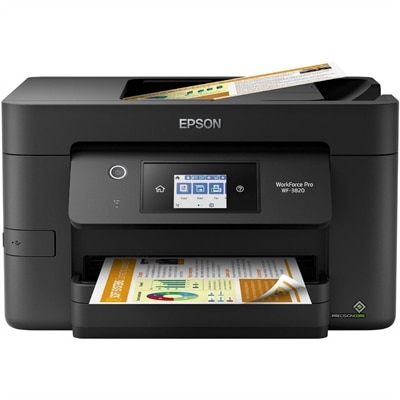
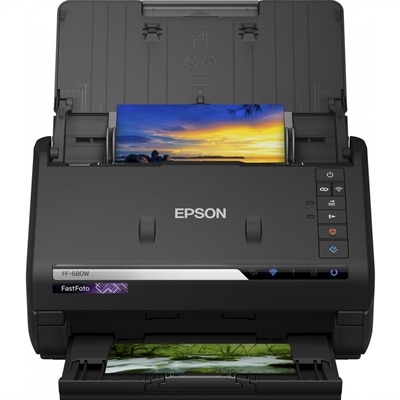
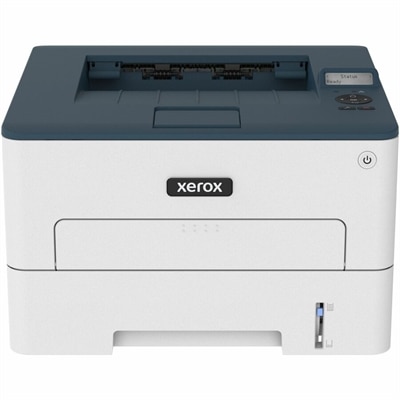
High Speed Flatbed Scanners
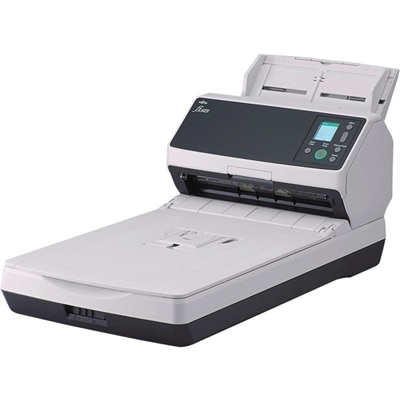
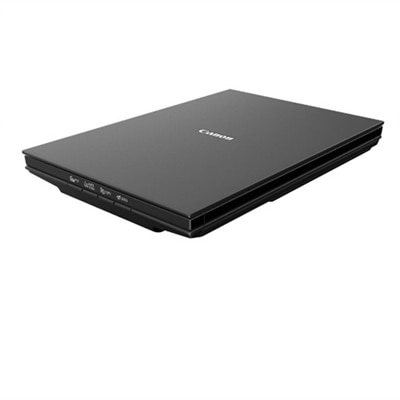
High speed flatbed scanners bring together two useful scanning methods in one workspace. A flatbed glass surface is designed for materials that need careful handling, including bound books, photographs, receipts, artwork, identification cards and other originals that should not pass through a feeder. An automatic document feeder, or ADF, handles stacks of loose pages with far less hands-on effort, making it practical to digitize invoices, forms, contracts, notes and records in batches. This combination is especially helpful for offices, schools, libraries, clinics, government departments, design studios and home archives that work with more than one type of original. When comparing high speed flatbed scanners, look at both pages per minute and images per minute. Pages per minute, or ppm, generally describes how quickly single-sided pages move through the feeder, while images per minute, or ipm, accounts for both sides of a double-sided sheet. Depending on the class of scanner, listed performance may reach approximately 80 to 100 ppm or 160 to 200 ipm at a standard 300 dpi setting. Real-world throughput can vary based on paper size, color mode, resolution, document condition and whether image-enhancement features are enabled, so rated speed is best considered alongside the kind of work you handle each day.
ADF capacity is another important detail for anyone scanning substantial batches. A 100-sheet feeder can suit a small office or a workgroup processing routine paperwork, while a capacity of around 200 sheets can reduce interruptions during larger projects. A feeder that supports mixed paper sizes can be valuable when a stack includes letters, legal pages, forms, envelopes or thin inserts, though it is wise to confirm the supported media before scanning delicate or unusually thick originals. Flatbed size also deserves close attention. A4 and letter-size glass areas work well for common office documents, while A3 or tabloid support accommodates ledgers, diagrams, newspapers, maps and oversized forms without folding them. For especially large artwork, technical drawings, archival materials or backlit originals, large-format equipment may offer an A2-plus scanning area or another expanded capture surface. Browse Large Format Scanners when a standard office-size bed may not provide enough room. Resolution is equally tied to the task: 200 to 300 dpi is often suitable for searchable business documents, while higher resolutions can preserve fine lines, small text, photographic detail and artwork textures. Color depth, optical resolution, duplex scanning, ultrasonic misfeed detection and background removal can all affect the quality and efficiency of a scanning workflow. Optical character recognition, or OCR, is useful when the goal is to search, copy or edit the text inside a scanned file rather than simply store an image of the page.
The right high speed flatbed scanner depends on the balance between volume, material type, available space and the way files will be used after capture. A busy administrative team may value a fast ADF, a large feeder capacity and dependable duplex scanning for daily paperwork, while a records department may prioritize a high recommended daily duty cycle for projects that reach thousands of pages. A library or family historian may rely more heavily on the flatbed for books, letters and photographs, using the feeder only for loose documents. Someone preserving a relative’s recipe cards might place a faded card carefully on the glass, capture it at a higher resolution and save a clean digital copy without creasing the original. In a creative studio, a larger glass area can simplify the capture of sketches, fabric patterns, posters and artwork, while an office with limited room may benefit from a compact footprint and front-access controls. Consider included scanning software, file formats, searchable PDF creation, one-touch workflows and compatibility with the computers used in the workspace. USB connectivity is common, but connection requirements and software support should still be checked before purchase. Maintenance matters as well: replaceable rollers, accessible glass and clear cleaning instructions can help preserve consistent results when dust or paper residue begins to affect scans. For cooler months spent organizing paperwork, digitizing family keepsakes or refreshing a home office, a high speed flatbed scanner can turn crowded folders and fragile originals into orderly digital files. Choosing the feeder capacity, scan area, resolution and daily volume that match your routine helps keep the process moving smoothly, whether the project involves a small stack of documents or a long-term archive.
FAQs:
When choosing a high speed flatbed scanner, consider factors such as optical resolution (like 2400 dpi for detailed scans), scanning speed, compatibility with your operating system, and included software options. Additional features such as automatic document feeders, duplex scanning, and the ability to scan bound materials or books can add convenience and versatility to your scanning workflow.
Flatbed scanners are ideal for a wide range of users including students, educators, small business owners, artists, photographers, and anyone looking to digitize documents, photos, or artwork. Their versatility makes them suitable for both home and office environments, especially when high-quality scans or the ability to scan various types of media are important.
Yes, flatbed scanners are well-suited for digitizing old photographs, fragile documents, and even items like pressed flowers or fabric swatches. Their flat glass surface allows you to scan delicate materials without feeding them through rollers, minimizing the risk of damage while capturing high-resolution images.
A 2400 dpi scanner provides high-resolution scans, capturing fine details and subtle color variations essential for artists, graphic designers, and photographers. This level of detail is especially useful for archiving artwork, creating digital portfolios, or producing high-quality prints from original pieces.
While standard flatbed scanners cover most everyday needs, those who regularly work with oversized documents or artwork may want to explore specialized equipment. For these requirements, you can find more information about suitable solutions on the Large Format Scanners page.