1. Comprehensive Risk Assessment
2. Robust Data Backup and Recovery
3. Employee Training and Awareness
4. Incident Response Planning
Building cyber resilience is essential for protecting your organization against evolving digital threats. Here are some key best practices to consider.
1. Comprehensive Risk Assessment
2. Robust Data Backup and Recovery
3. Employee Training and Awareness
4. Incident Response Planning
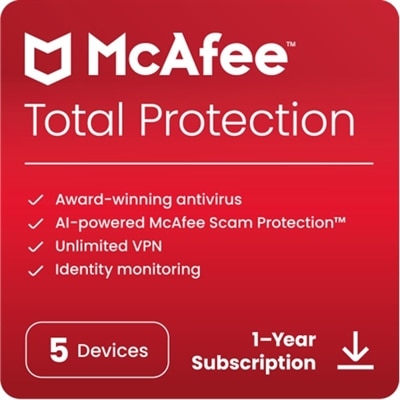
A comprehensive security solution offering antivirus, identity monitoring, and VPN for five devices over one year.
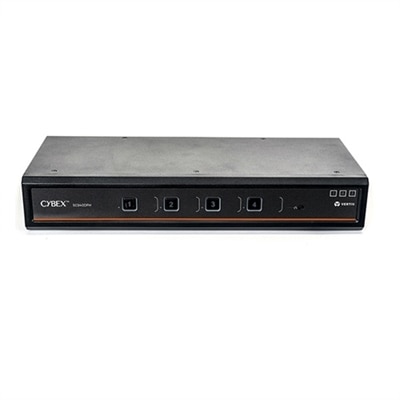
A secure desktop KVM switch offering seamless multi-computer access with UHD 4K compatibility and NIAP certification.
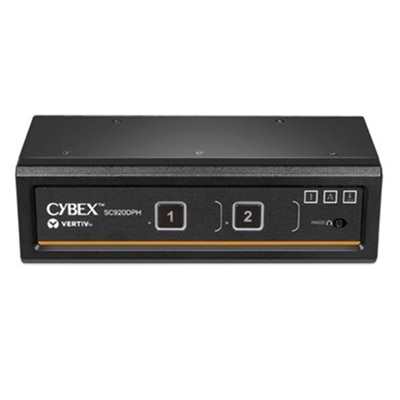
A secure KVM switch with dual-head, 2-port design, offering UHD 4K compatibility and intrusion detection.
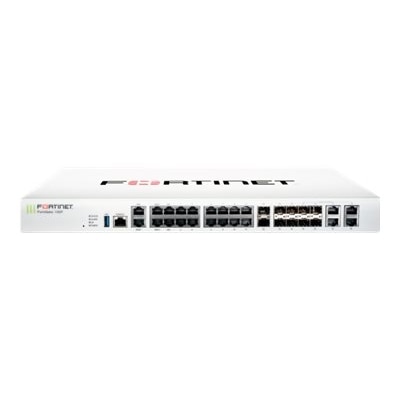
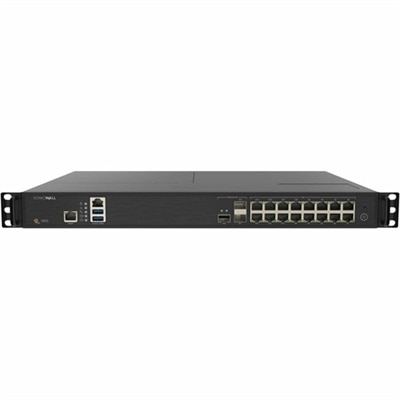
A rack-mountable firewall appliance offering advanced threat protection and SD-WAN capabilities for enterprises.
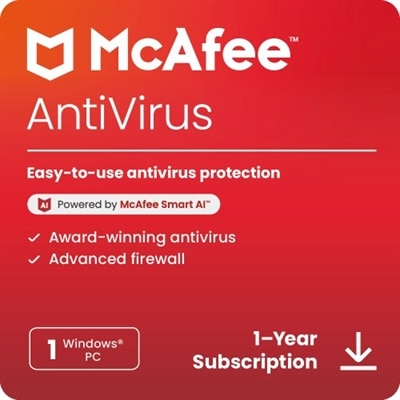
An advanced antivirus software offering AI-driven threat detection and comprehensive online protection for one Windows PC.

A comprehensive security software offering antivirus, identity monitoring, and parental controls for unlimited devices.
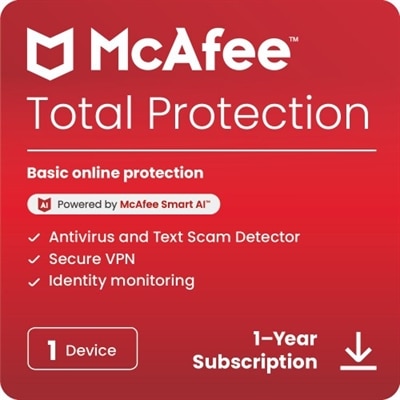
A comprehensive security solution offering antivirus, identity monitoring, and VPN for one device across multiple platforms.
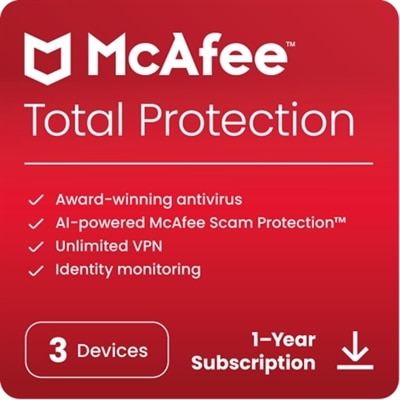
A comprehensive security solution offering antivirus, identity monitoring, and VPN for three devices across multiple platforms.

A streamlined operating system offering enhanced security, multitasking features, and seamless integration with Microsoft Teams.

A 1-year subscription providing top-tier security and compliance for your Network Management Card.
Cyber resilience refers to the ability of your devices and systems to prepare for, respond to, and recover from cyber threats. By prioritizing cyber resilience, you can help ensure your data and digital experiences remain secure and uninterrupted, even in the face of potential cyber incidents.
To enhance cyber resilience on your Dell laptop or desktop, keep your operating system and software up to date, use strong and unique passwords, enable multi-factor authentication, and regularly back up important files. These steps can help protect your data and maintain device performance.
Accessories such as external hard drives are valuable for cyber resilience because they allow you to create secure backups of your important data. Regularly backing up files to an external device ensures you can quickly recover information in case of a cyber incident or device failure.
Yes, there are many software tools designed to boost cyber resilience, including antivirus programs, firewalls, and backup solutions. These tools help detect and prevent threats, as well as ensure your data is recoverable if needed.
You can stay updated on cyber resilience best practices by following trusted technology blogs, subscribing to security newsletters, and regularly visiting the Dell support and resources page for tips and guidance tailored to your devices.

Add the products you would like to compare, and quickly determine which is best for your needs.