1. Performance and Processing Power
2. Display Quality and Size
3. Keyboard Comfort and Build Quality
4. Battery Life and Portability
Finding the ideal laptop is essential for software engineers and coders who demand top-tier performance, reliability, and versatility. Whether you're compiling code, running virtual machines, or multitasking across complex development environments, the right device can significantly boost your productivity. This curated selection highlights the best laptops for software engineers and coders, ranked according to user review ratings to ensure you get firsthand insights into real-world performance and satisfaction. Explore options that deliver powerful processing, ample memory, and robust battery life—everything you need to bring your projects to life efficiently.
Choosing the right laptop can boost productivity and comfort for software engineers and coders. Here are four key considerations to keep in mind.
1. Performance and Processing Power
2. Display Quality and Size
3. Keyboard Comfort and Build Quality
4. Battery Life and Portability
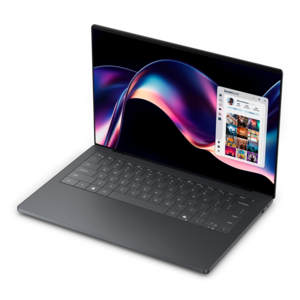
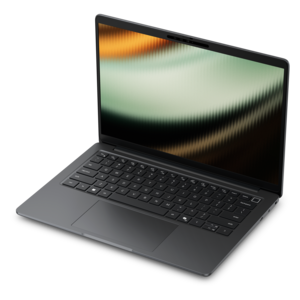
A thin laptop built for mobile creation with exceptional battery life.
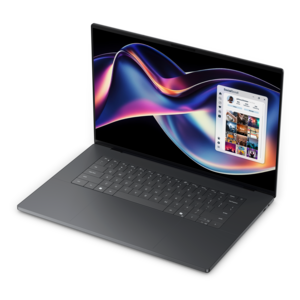
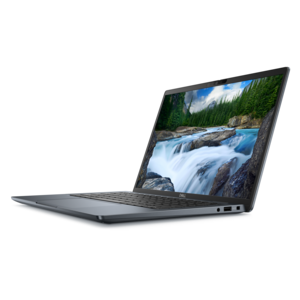
A thin, high-performance 16-inch laptop with exceptional battery life, designed for creators.
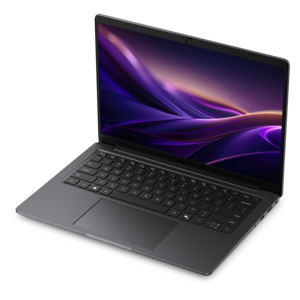
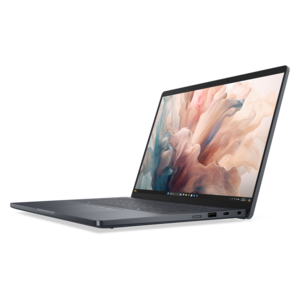
A powerful Copilot+ PC combining Intel CPU, GPU, and NPU performance to enhance productivity.
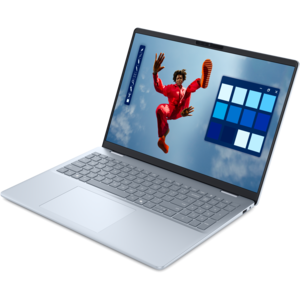
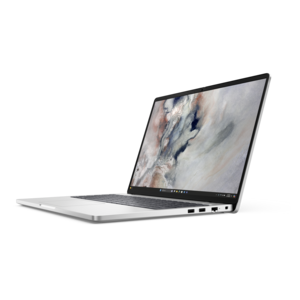
An AI-powered laptop with a spacious display and Intel Arc graphics for creators and developers.
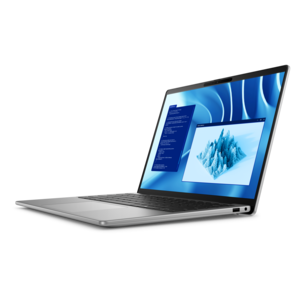
A premium laptop delivering powerful on-device AI, game-changing unplugged performance, and outstanding battery life.
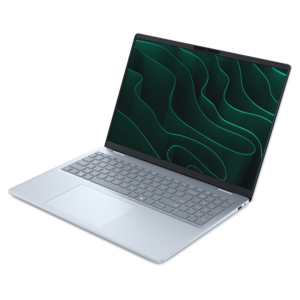
An AI-ready laptop with a spacious display, designed for creators and developers seeking high performance.
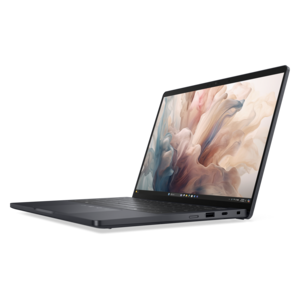
A lightweight AI PC delivering outstanding performance and battery life for highly mobile professionals.
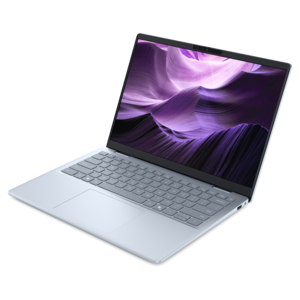
A lightweight AI-powered laptop with Intel Arc graphics, ideal for creative professionals and small businesses.
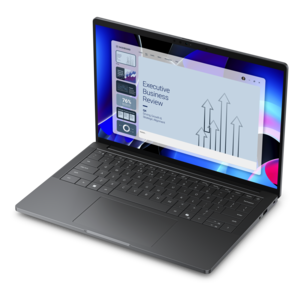
An elegantly designed, ultralight, durable AI laptop delivering premium experiences for highly mobile professionals.
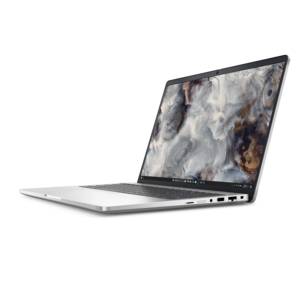
A secure, scalable AI laptop with durable aluminum construction and a spacious productivity-focused display.
Software engineers should prioritize laptops with powerful processors (such as Intel Core i7 or AMD Ryzen 7 and above), at least 16GB of RAM, fast SSD storage, and high-resolution displays for comfortable coding. A reliable keyboard, long battery life, and multiple connectivity options are also important.
A dedicated graphics card is not essential for most coding tasks, but it can be beneficial for software engineers working with game development, machine learning, or graphics-intensive applications. For general programming, integrated graphics are usually sufficient.
For most software engineering tasks, 16GB of RAM is recommended to ensure smooth multitasking and efficient handling of large projects. Developers working with virtual machines, containers, or heavy IDEs may benefit from 32GB or more.
The best operating system depends on the developer's needs and preferences. Windows is versatile and widely supported, macOS is popular among mobile and web developers, while Linux offers flexibility and is favored for open-source development and server-side programming.
High-resolution displays provide sharper text and more screen real estate, which can reduce eye strain and improve productivity when working with code. Many software engineers prefer laptops with Full HD (1920x1080) or higher resolution screens.
Add the products you would like to compare, and quickly determine which is best for your needs.